Living in Junction City Oregon: Parks, Events, and More
July 16, 2026
July 16, 2026
Thinking about living in Junction City? If you want a place with recognizable community traditions, practical daily amenities, and easy access to outdoor recreation, this small Lane County city offers a lot more than people often expect. Whether you are planning a move, comparing neighborhoods, or just getting a feel for the area, this guide will walk you through events, parks, housing patterns, and everyday life in Junction City. Let’s dive in.
Junction City is a compact city in Lane County with 6,787 residents counted in the 2020 Census and an estimated 7,224 residents in 2025. The city covers 3.29 square miles, which helps explain why many parts of town feel close to parks, community spaces, and local services.
For everyday living, the numbers paint a useful picture. During the 2020 to 2024 ACS period, Junction City had 2,922 households, a 59.3% owner-occupied rate, a median household income of $85,595, a median owner-occupied home value of $421,900, a median gross rent of $1,316, and a mean travel time to work of 20.9 minutes. In simple terms, you are looking at a community with a neighborhood-oriented feel rather than a dense urban setup.
Junction City is best known for its Scandinavian roots, and that identity shows up most clearly in its biggest annual event. The Junction City Scandinavian Festival began in 1961 and takes place every second Thursday through Sunday in August.
The festival is described by organizers as a four-day, family-friendly event with free admission and free entertainment. It draws more than 90,000 visitors each year, and Oregon Parks and Recreation recognizes it as an Oregon Heritage Tradition. For many residents, this event is not just something to attend. It is part of the town’s identity.
The festival gives Junction City a strong seasonal rhythm. Downtown Founders Park, located at 5th and Holly, becomes a focal point, with the 1905 Finnish locomotive #418 serving as a recognizable local landmark during the celebration.
If you like living in a place with established traditions, this matters. A longstanding event can shape how connected a town feels, and in Junction City, the Scandinavian Festival is one of the clearest examples of that shared community experience.
The local calendar does not stop in August. The Scandinavian Cultural Foundation promotes year-round cultural programming and also hosts Yule Fest, a free-admission Christmas market inspired by Scandinavian holiday traditions.
On top of that, the city publishes seasonal Community Services program guides. Since the Community Services Department oversees the community center, Viking Sal Senior Center, city parks, the library, and Max Strauss Pool, residents have access to a broader range of local programs and activities throughout the year.
One of the biggest strengths of everyday life in Junction City is how visible the park system is within the city itself. Junction City maintains 14.6 acres of developed public parks and has another 22.7 acres acquired for future park development.
That matters if you want a town where outdoor space is woven into daily life. Instead of relying only on regional destinations, you also have neighborhood-scale parks spread through the city.
Junction City’s park system includes:
The city also includes Max Strauss Pool within its broader community-services network, which adds another public recreation option close to neighborhood areas.
A few parks help explain the overall feel of Junction City. Bailey Park includes a playground, open lawn, and two lighted tennis courts, making it a practical option for both casual play and active recreation.
Toftdahl Park was developed with a new subdivision and is surrounded by single-family homes. Oak Meadows Park has a similar neighborhood role, with a play structure, basketball court, and open lawn built as part of a newer subdivision setting.
Lyle Day Park sits between 5th and 6th Avenues and includes a path connecting the streets, along with a playground, courts, and a small shelter. Founders Park, in the downtown core, adds a civic gathering space that ties local history and community events together.
Max Strauss Pool is the city-owned public pool next to Laurel Park and Toftdahl Park. It includes a 20-meter, six-lane lap pool, which gives residents another recreation option during warmer months.
If you are thinking about how a town supports birthdays, group meetups, or casual outdoor gatherings, it is also helpful to know that the city rents the Laurel Park gazebo and Dutch's Field for special uses. That adds flexibility for community and family events without leaving town.
Living in Junction City also puts you close to larger outdoor destinations beyond the city park system. That balance can be appealing if you want neighborhood convenience during the week and bigger recreation options on weekends.
Fern Ridge Lake near Junction City offers six park sites and several remote access points for picnicking, swimming, fishing, hunting, and wildlife viewing. For many residents, that means you do not have to drive far to reach water-based recreation and open space.
The Fern Ridge Wildlife Area manages a 5,010-acre portion of the reservoir area for wildlife-oriented recreation. Marshall Island Access, about 4.5 miles outside Junction City, is a 40-acre day-use park on the Willamette River.
Taken together, these nearby options give Junction City a stronger outdoor lifestyle than its size alone might suggest. You get local parks for quick daily use and larger regional spaces when you want more room to explore.
Daily life in Junction City tends to feel practical and connected. The city’s community amenities are concentrated through the Community Services Department, which manages the community center, Viking Sal Senior Center, parks, library, and Max Strauss Pool.
That kind of setup can make a small city easier to navigate. Instead of amenities being spread across a large metro area, many of the basics that support routines, recreation, and community programming are closely tied to the city itself.
The mean travel time to work is 20.9 minutes, which points to a moderate commute pattern. For many households, that can support a pace of life that feels more grounded and less rushed than a larger urban core.
Because Junction City is compact, getting across town for parks, school drop-offs, errands, or local events can feel straightforward. That does not mean every routine is the same, but the scale of the city tends to support convenience in day-to-day movement.
The Junction City School District serves the area through:
If schools are part of your home search, it is helpful to know which campuses serve the community. As always, you will want to confirm attendance and enrollment details directly with the district when evaluating a specific property.
Junction City’s housing mix is shaped by city planning and by the layout of its neighborhoods. Planning materials identify low-density R-1, medium-density R-2, and higher-density R-3 residential designations.
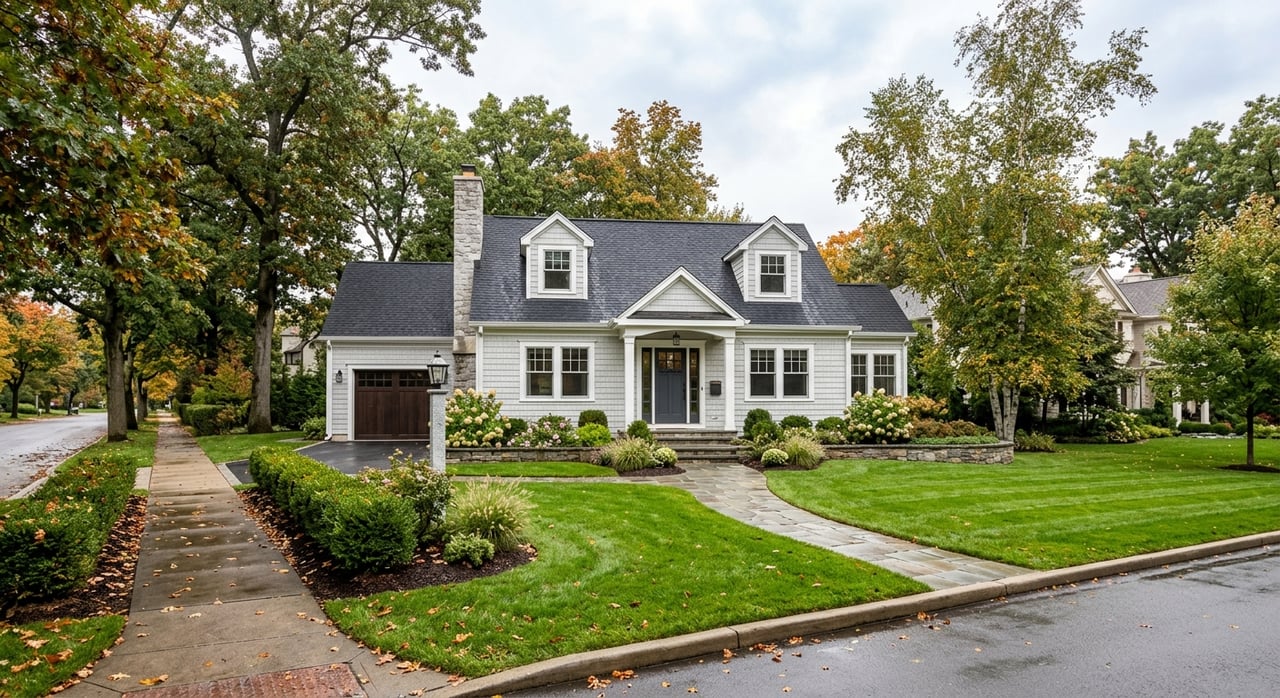
In practice, that means the city supports a mix of home types rather than a single housing pattern. While much of Junction City reads as detached neighborhood housing, there are also some denser residential areas and manufactured-home opportunities within the city’s framework.
Based on city planning and code context, common home options include:
This variety can be useful whether you are buying your first home, looking for a lower-maintenance option, or trying to stay close to specific parts of town. It also helps explain why different sections of Junction City can feel a little different from one another.
The connection between housing and parks is one of the clearest parts of Junction City’s layout. Subdivision parks like Toftdahl Park and Oak Meadows Park sit alongside single-family residential areas, while downtown centers more on civic spaces like Founders Park.
That gives the city a mix of neighborhood and downtown character in a relatively small footprint. If you are looking for a place where local parks are part of the residential pattern, Junction City stands out for that reason.
Junction City offers a combination that can be hard to find in one place. You get a small-town setting, a strong annual tradition in the Scandinavian Festival, city-managed amenities that support daily life, and nearby lake and river recreation.
You also get a housing framework that includes detached homes, subdivision settings, manufactured-home opportunities, and some denser residential options. For buyers and sellers alike, that mix creates a local market with more variety than the city’s size might first suggest.
If you are exploring a move within Lane County, Junction City is worth a closer look. Its community identity is easy to see, and its everyday rhythm feels rooted in neighborhood living, local events, and practical access to outdoor space.
If you want help exploring homes, comparing neighborhoods, or preparing to sell in Junction City, Parker Heights Realty offers hands-on local guidance backed by deep market knowledge and full-service residential support.
Stay up to date on the latest real estate trends.
We pride ourselves in providing personalized solutions that bring our clients closer to their dream properties and enhance their long-term wealth. Contact us today to find out how we can be of assistance to you!