Is Condo Living Right In Ferry Street Bridge?
May 7, 2026
May 7, 2026
Wondering whether condo living in Ferry Street Bridge actually fits your lifestyle? If you want less exterior upkeep, easy access to everyday errands, and a home that may feel more manageable than a detached house, this part of Eugene deserves a closer look. The key is knowing what you gain, what you give up, and what questions to ask before you buy. Let’s dive in.
Ferry Street Bridge sits in a convenient part of 97401 with a mix of shopping, dining, services, park access, and transportation options nearby. Oakway Center is located at Oakway and Coburg Roads, and Alton Baker Park sits immediately east of the Ferry Street Bridge on the north bank of the Willamette River.
City planning materials also describe Ferry Street Bridge as a high-density, mixed-use area with active transportation facilities. Eugene’s transportation plan counts 45 miles of off-street shared-use paths and 158 miles of striped on-street bike lanes. For many buyers, that kind of setup supports a simpler day-to-day routine in a smaller, lower-maintenance home.
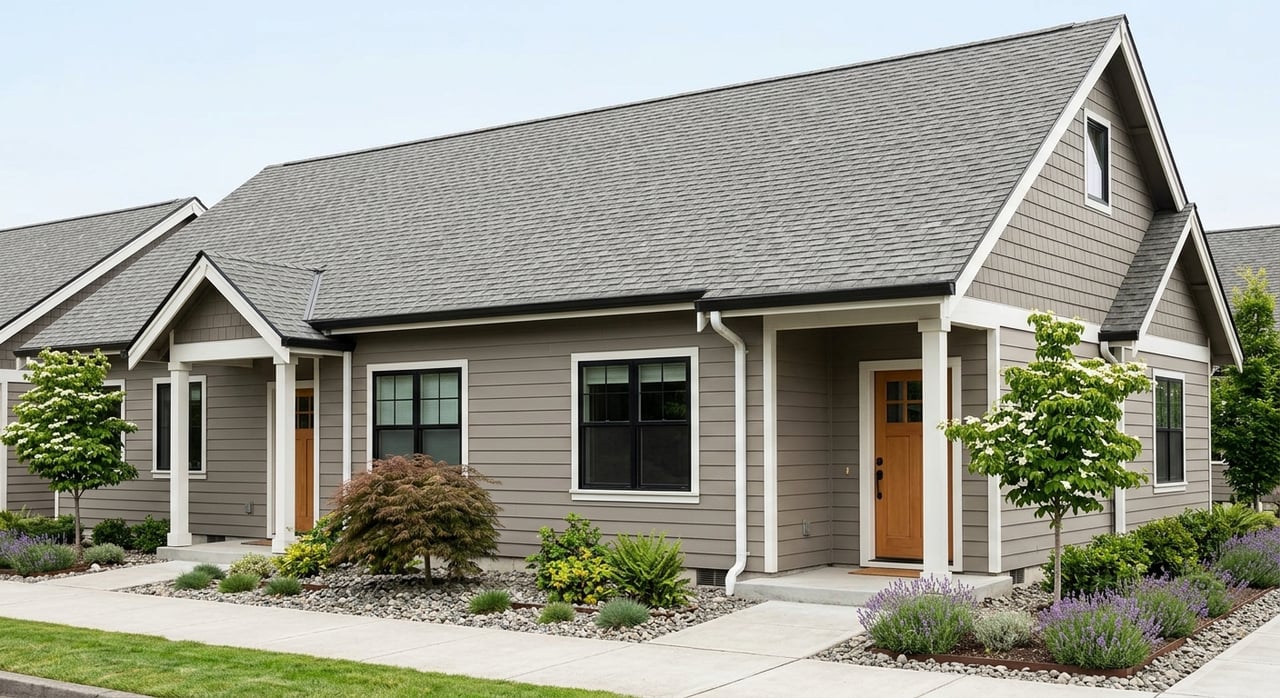
In 97401, condo living is generally not about downtown high-rise towers. Recent local snapshots show mostly low-rise attached housing, with examples ranging from an 806-square-foot two-bedroom, two-bath unit at $270,000 to a 978-square-foot two-bedroom, two-bath unit at $280,000.
At the higher end, some visible condo examples in the zip code reach about 1,240 to 1,631 square feet and roughly $825,000. That range matters because it shows there is no single condo price point or layout. Your decision should be based on the full ownership picture, not just the list price.
A townhome may look similar to a condo from the street, but the ownership structure can be very different. In Oregon, the building form does not tell you everything. You need to review the plat, deed, and CC&Rs to understand who owns what and who maintains what.
The Oregon Building Codes Division defines a townhouse as a single-family dwelling unit in a row of three or more attached units that extends from foundation to roof, with a yard or public way on at least two sides. That means a townhome is often individually owned, but the details still depend on the community documents.
Recent 97401 townhome snapshots show units from about 1,480 to 1,907 square feet with two to three bedrooms and two to three baths. HOA dues in those examples ranged from $46 to $515 per month, which is a big spread and a reminder that monthly cost can vary widely from one community to another.
| Home type | Recent local snapshot | Key consideration |
|---|---|---|
| Condo | Roughly 806 to 1,631 sf, about $270,000 to $825,000 | Lower-maintenance potential, but dues and shared ownership structure matter |
| Townhome | Roughly 1,480 to 1,907 sf, about $480,000 to $650,000, HOA dues from $46 to $515 | Building form may look appealing, but ownership and maintenance rules vary by community |
| Detached home | Roughly 1,832 to 3,275 sf, about $489,000 to $1.2M | More space and flexibility, but usually more upkeep |
If you are comparing condos to detached homes in 97401, space is one of the clearest differences. Recent detached-home examples show three to four bedrooms, roughly 1,832 to 3,275 square feet, lots of about 0.23 to 0.46 acre, and prices from about $489,000 to $1.2 million.
Some of those homes also include extra shop space or RV and boat storage. That extra room can be a major advantage if you want flexibility, storage, or outdoor space. It also usually comes with more maintenance responsibility.
Redfin’s March 2026 housing-market page put the median sale price in 97401 at $525,000. That helps explain why attached housing can appeal to buyers who want an alternative to a larger detached home, but it does not make the decision automatic. Monthly dues and maintenance tradeoffs still need a close look.
For many buyers, the strongest argument for condo living is simpler upkeep. Oregon’s condo statute treats common elements broadly and includes items such as roofs, foundations, parking areas, yards, and central services. Condominium associations are also required to maintain reserve accounts, conduct annual reserve-study updates, and prepare a maintenance plan for association-responsible property.
In practical terms, that can mean fewer direct exterior chores for you. Instead of handling every major exterior item on your own, part of that responsibility is shared through the association. The tradeoff is that some of those costs are shifted into HOA dues and reserve funding.
Condo living usually gives you less solo control over the property than a detached home. Because many exterior elements and common areas are shared, the association budget, maintenance plan, and reserve funding become part of your financial picture.
That is why two homes with similar prices can feel very different once you account for dues. A lower list price does not always mean lower monthly cost. In some cases, a condo or townhome may be easier to maintain, but the association structure can raise your carrying costs.
Before you buy, make sure you understand:
Condo living in Ferry Street Bridge is often a strong fit if you value convenience over extra land. This area offers access to shopping, services, park space, and the broader river-path network, which can make a smaller home feel easier to enjoy.
You may want to focus on condos or attached housing here if you are looking for a lock-and-leave lifestyle, a modest footprint, and less yard work. On the other hand, if you want maximum privacy, more storage, or more control over exterior changes and outdoor space, a detached home may still be the better match.
This is one of the most important parts of the process. Oregon REALTORS’ buyer advisory specifically flags condo and HOA purchases as transactions that require extra document review.
Before you move forward, review the association’s declaration or CC&Rs, budget, reserve study, maintenance plan, and other governing documents. Those records help clarify what you own, what the association maintains, and whether the community’s financial planning matches your comfort level.
Use this checklist as a starting point:
In Ferry Street Bridge, condo living makes the most sense when you prioritize location, convenience, and reduced exterior maintenance. The area’s access to shopping, Alton Baker Park, and Eugene’s path network can be a real plus if you want a more manageable home base.
The right answer depends on your budget, your tolerance for HOA structure, and how much space and control you want. If you compare dues, maintenance responsibility, and community documents as carefully as you compare price and square footage, you will make a much more confident decision.
If you want help comparing condos, townhomes, and detached homes in 97401, Amanda Parker can help you sort through the details and find the right fit for your goals.
Stay up to date on the latest real estate trends.


We pride ourselves in providing personalized solutions that bring our clients closer to their dream properties and enhance their long-term wealth. Contact us today to find out how we can be of assistance to you!