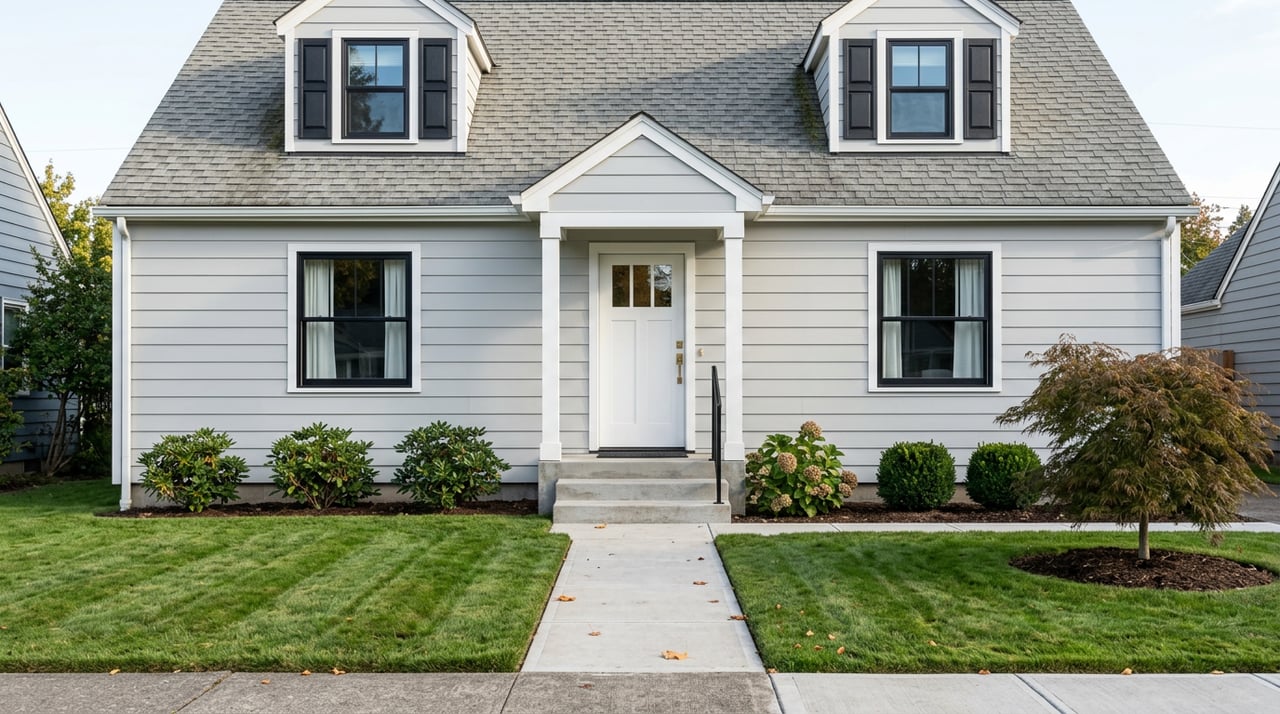
East Eugene Home Styles Guide for 97401 Buyers
March 12, 2026
March 12, 2026
What kind of home fits you best in East Eugene? Maybe you picture a front-porch Craftsman, a single-level mid‑century ranch with big windows, or a sleek contemporary near the river. However you live, 97401 offers a wide mix of styles, sizes, and settings to match. In this guide, you’ll learn how to spot each major style, what typical lots and floorplans look like, and how to weigh lifestyle tradeoffs like yard space versus trail access. Let’s dive in.
ZIP 97401 spans much of east‑central Eugene, including Harlow, the Ferry Street Bridge and Oakway areas, and river‑adjacent pockets such as Valley River Village. For neighborhood context and boundaries, start with the City’s Harlow Neighbors page for an orientation to this side of town (City of Eugene Harlow page).
Lifestyle here is shaped by proximity to the Willamette River and its trail network, retail and dining around Oakway, and access to the University of Oregon and medical centers. For example, Alton Baker Park offers miles of paths and water access that many 97401 residents enjoy (Alton Baker Park details). Always confirm a specific address’s access and distance to amenities you value.
If you love character and a welcoming front porch, you’ll find classic cottages and Craftsman bungalows in older plats closer to the city core. The local historic survey notes early 20th‑century homes in these established streetscapes, often where original street trees and sidewalks remain (Eugene modernism survey).
Look for low‑sloped gabled roofs, broad porches with tapered or stone supports, exposed rafter tails, wide eaves, and wood siding or shingle accents. Inside, built‑ins like bookshelves and window seats are common, and rooms feel cozy and purposeful. For a quick style vocabulary refresher, this Craftsman overview is helpful for identifying details like porch columns and window patterns (Craftsman style explained).
Most bungalows are 1 to 2 stories with 2 to 3 bedrooms. The living room typically anchors the plan, with a compact dining room and kitchen nearby. Lots tend to be modest, with smaller front yards and useful backyards for gardening or a patio.
Post‑war growth reshaped East Eugene, especially around Harlow and the Ferry Street Bridge area, where single‑level ranches and mid‑century modern homes became widespread. The historic survey documents this mid‑century building boom across multiple neighborhoods (Eugene modernism survey).
You’ll notice long, low profiles; open or semi‑open living, dining, and kitchen areas; and large picture windows or floor‑to‑ceiling glass that draw in the outdoors. Sliding doors connect to patios, clerestory windows may bring in light, and built‑in cabinetry adds function. Many have been updated while keeping those clean mid‑century lines.
Single‑level living, easy indoor‑outdoor flow, and flexible great‑room spaces fit a range of lifestyles. If you value natural light, garden views, and fewer stairs, a mid‑century ranch or modern home often checks the boxes.
As Eugene kept growing, split‑levels and later suburban homes appeared in pockets across 97401. Think stepped floor geometry with living spaces on one level and bedrooms up, or a lower‑level family room for movies and hobbies.
Expect attached carports or garages, practical storage, and more bedrooms than earlier cottages. Developments from this era often sit on larger lots than the oldest bungalows, offering more driveway and yard space while keeping you close to in‑town amenities.
Newer custom homes cluster on infill sites and along the river, including subdivisions like Valley River Village. These homes tend to highlight indoor‑outdoor living, large windows, and site‑responsive design that captures natural light and privacy.
Features you may see include an open main level with substantial glazing, multiple outdoor terraces, and a primary suite on the main floor. Modern materials, attached garages, and higher‑end finishes are typical, and many builds incorporate energy or mechanical upgrades when available.
Oregon’s housing policy has opened the door for more small‑lot options. Eugene allows accessory dwelling units and has adopted middle‑housing code changes, with a City page that outlines current standards and a pre‑approved ADU plan program. Because rules have evolved in recent years, check the City’s resources for the latest requirements and any updates that could affect a specific lot (Eugene Middle Housing and ADUs).
In practical terms, you’ll see more ADUs behind existing homes, occasional duplexes or townhomes on subdivided parcels, and cottage‑cluster concepts where zoning and lot dimensions allow. This adds flexibility for multi‑generational living or rental income potential, subject to the current code.
Lot sizes vary across East Eugene. In established neighborhoods, many parcels fall in the 6,000 to 12,000 square foot range, while some river‑adjacent and older estate lots reach roughly a quarter to half an acre or more. Newer infill homes often sit on smaller city lots.
Common floorplans by style:
If you want walkable convenience to shopping and restaurants, the Ferry Street Bridge and Oakway areas are compelling, and many pockets offer quick access to river paths at Alton Baker Park (park overview). Older bungalows near the core often provide stronger walkability in exchange for smaller yards.
If you prefer more privacy and outdoor space, river‑area subdivisions and custom homes may offer larger lots and quieter streets. You’ll usually trade a bit of walkability for room to spread out.
Older and mid‑century homes offer charm and light, yet many benefit from energy and systems updates. Common items include single‑pane windows and modest insulation levels. If you’re budgeting for improvements, this Department of Energy guide is a helpful starting point for window upgrade options and strategies (DOE window upgrades).
Plan for a full home inspection and, when appropriate, targeted tests like a sewer scope and radon test. Homes built before 1978 can include lead‑based paint, so factor in EPA‑required disclosures and safe work practices when renovating.
Start with how you live day to day. Do you want a sunny great room that opens to the garden, or a covered front porch that invites neighbors to stop by? Would a single‑level plan make life easier, or do you need a separate hangout space for movies and music?
Next, consider lot size and outdoor goals. If you crave a bigger backyard, mid‑century ranches and later suburban homes can be a match. If you want a low‑maintenance lot near trails and cafés, a bungalow or townhome‑style plan may fit better.
Finally, assess your comfort with updates. Many East Eugene homes have been thoughtfully modernized, and others are ready for your ideas. A walk‑through with a local agent who knows the nuances of each neighborhood will help you weigh tradeoffs quickly and confidently.
If you’re gathering inspiration photos, remember that most MLS listing images are copyrighted. To reuse a listing photo in your own materials, you’ll need permission and proper credit. This quick explainer outlines who typically owns listing photos and how permissions work (who owns listing photos). Public archives and original neighborhood photos are great alternatives if you want sharable imagery.
Ready to see homes that match your style in 97401 or prep your East Eugene property for the market? Reach out to Amanda Parker for clear guidance, neighborhood‑savvy advice, and professional marketing that puts your home in its best light.
Stay up to date on the latest real estate trends.
We pride ourselves in providing personalized solutions that bring our clients closer to their dream properties and enhance their long-term wealth. Contact us today to find out how we can be of assistance to you!