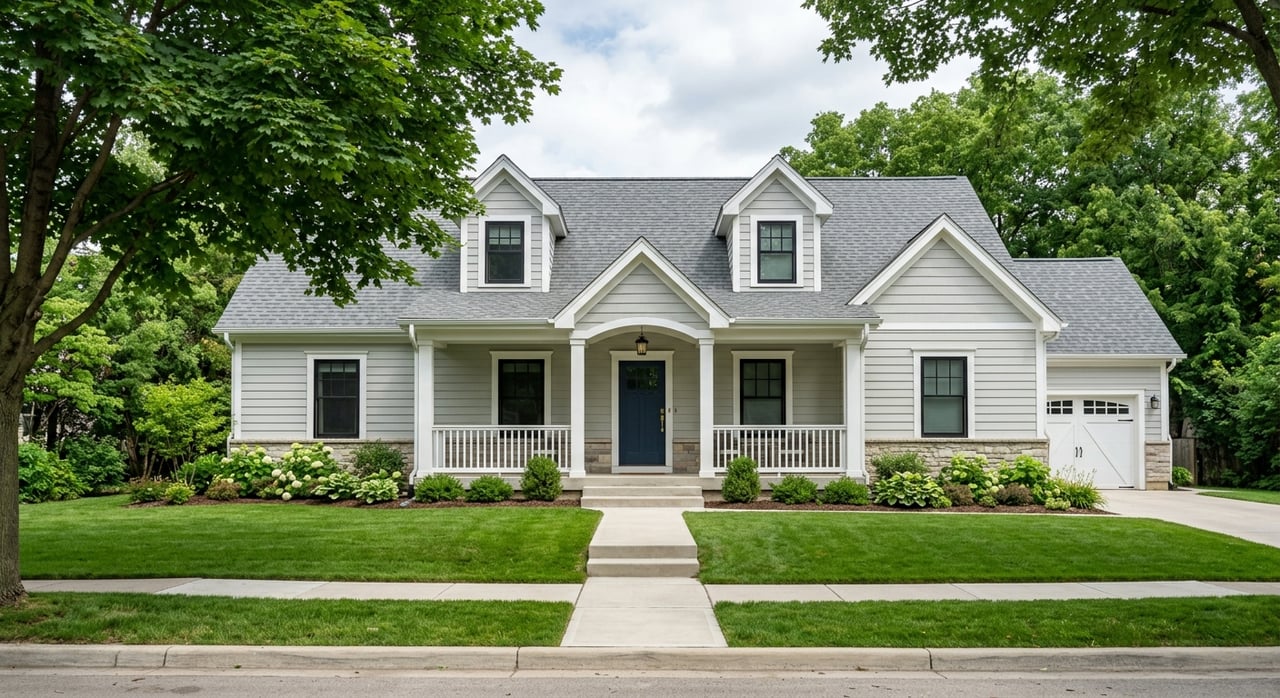
Living In East Eugene: Parks, Trails, And Everyday Life
May 14, 2026
May 14, 2026
Wondering what daily life in East Eugene actually feels like? If you are considering a move to the 97401 area, you are probably looking beyond a home search and asking what your routines, weekends, and errands might look like once you live there. East Eugene stands out for its mix of parks, trail access, campus energy, and varied housing options, and this guide will help you picture how those pieces fit together in real life. Let’s dive in.
East Eugene’s 97401 ZIP code covers about 9.3 square miles and had 49,437 residents in the ACS 2024 5-year estimates. The median age was 29.5, which helps explain why the area often feels active, connected, and shaped by both neighborhood routines and university influence.
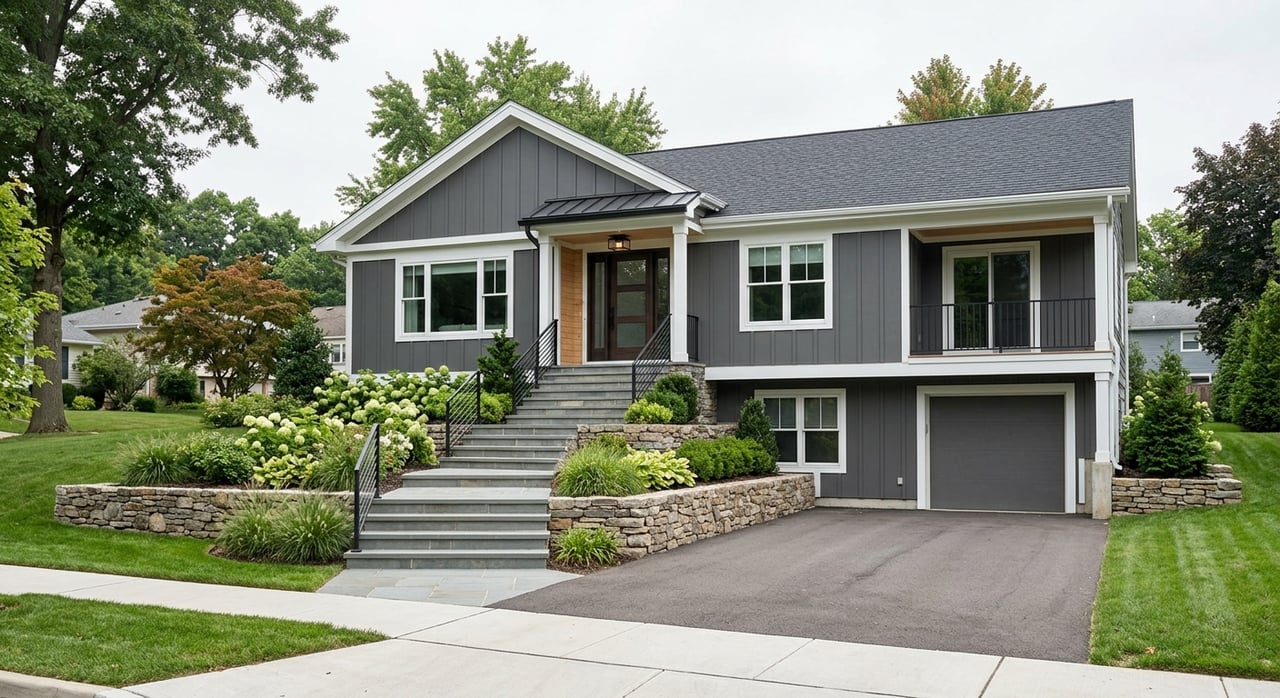
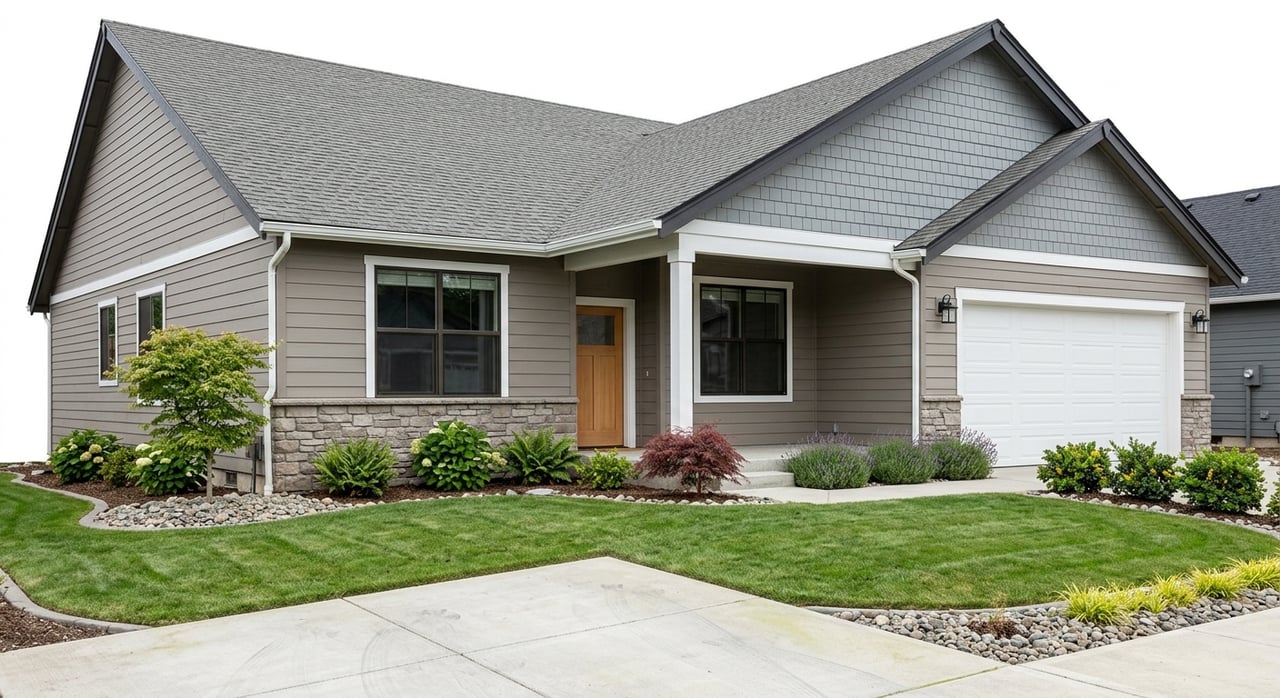
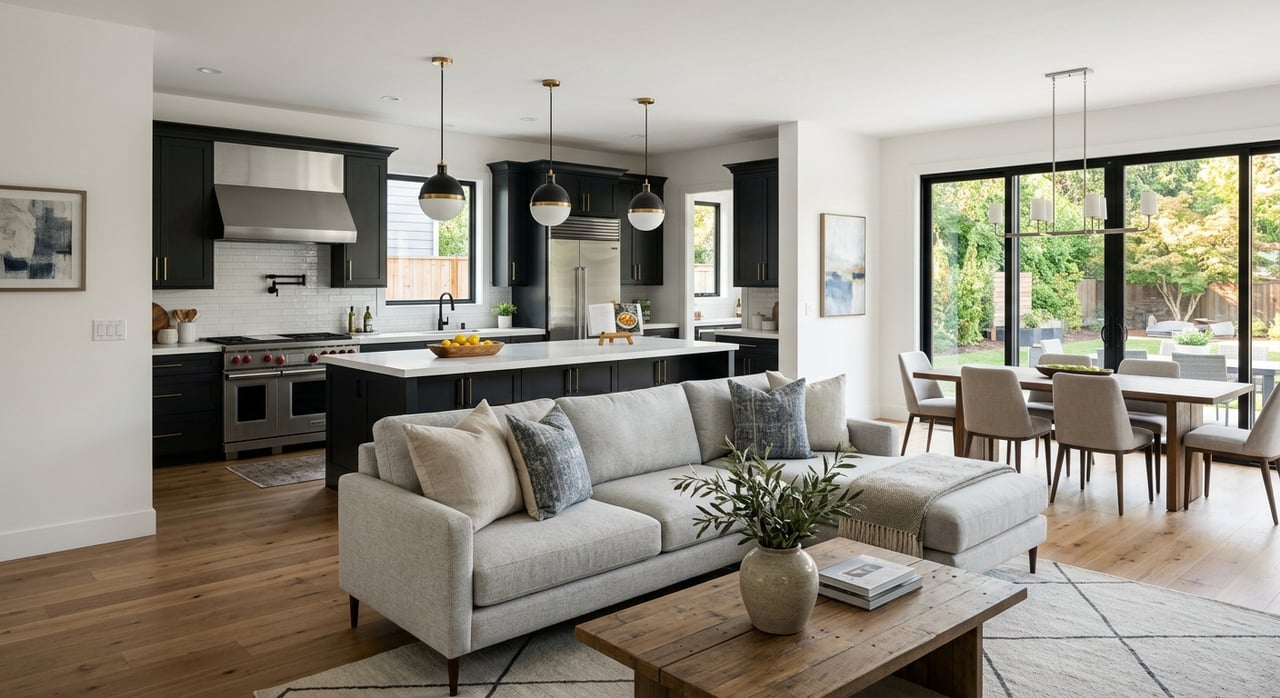
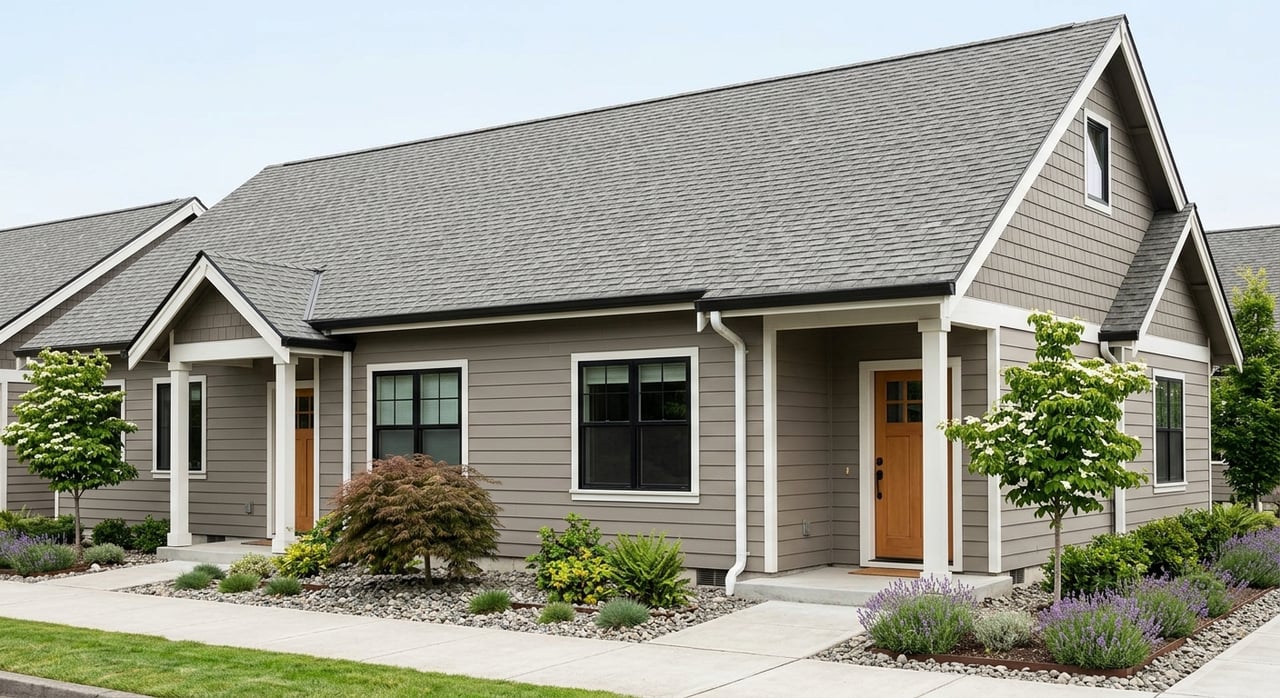
Housing also reflects a market where location matters. The median value of owner-occupied housing units was $494,100, and the area includes everything from campus-adjacent apartments and multifamily housing to detached homes on established residential streets nearby. That variety gives you more than one way to live in East Eugene, depending on your priorities.
One of the biggest draws of East Eugene is how easy it is to build outdoor time into an ordinary day. Whether you like a morning walk, an after-work jog, or a weekend outing with your dog, the area has well-known parks and trail connections that support that kind of rhythm.
Hendricks Park is a major part of that lifestyle. It is Eugene’s oldest city park, covering 80 acres with a rhododendron garden, a native plant garden, and access to the Ridgeline Trail system. For many locals, it is not just a special destination. It is part of a repeatable routine.
Fairmount Park adds a different kind of convenience. Located at East 15th Avenue and Fairmount Boulevard, it includes a play area, spray play, basketball, restrooms, and picnic tables. That makes it an easy option when you want a casual outdoor stop close to home.
East Eugene also benefits from proximity to Eugene’s broader Ridgeline system. The city describes this network as more than 12 miles of trail ringing the southern edge of Eugene, with access from seven main trailheads including Hendricks Park, Spencer Butte, Dillard East, Spring Boulevard, Wild Iris, and Willamette Street.
For you as a resident, that means outdoor recreation does not have to be reserved for long weekends. A quick hike, scenic walk, or stretch of trail after work can become part of your normal schedule. In practical terms, that kind of access often shapes how connected people feel to the area.
Many buyers are drawn to neighborhoods where simple routines feel easy. In East Eugene, that can mean:
That day-to-day convenience is a major part of the appeal.
Beyond the parks and trails, East Eugene offers a neighborhood experience that feels personal and active. City information about the Friendly Area points to small locally owned businesses within walking distance, including markets, a bookstore, cafes and bistros, and farmers markets.
The same city neighborhood description notes that residents love to garden, street trees are common, and community life includes music, picnics, harvests, cider pressings, tree plantings, and work parties. While every block and subarea has its own feel, this helps paint a picture of East Eugene as a place where local routines and neighborhood participation matter.
For you, that can translate into a lifestyle where errands feel more connected to the community. Instead of thinking only in terms of driving from one stop to the next, you may find pockets of the area where walking to a market or grabbing coffee feels like part of the neighborhood experience.
East Eugene is also shaped by its relationship to the University of Oregon. If you enjoy having arts and cultural options nearby, that influence can be a real benefit.
According to the university’s arts-and-culture information, campus programming includes more than 18,000 art pieces, two museums, the Oregon Bach Festival, and a range of music, dance, theater, and Craft Center offerings. The UO Ticket Office also supports access to University Theatre, the School of Music and Dance, Oregon Bach Festival events, and student organization programming.
That matters because it gives you more options for weeknight and weekend plans close to home. The Museum of Natural and Cultural History stays open until 8 p.m. on Thursdays and offers talks and events, which makes campus culture feel more accessible as part of everyday life rather than something reserved for special occasions.
When people picture East Eugene, they often focus on location and housing first. But lifestyle tends to be what makes a neighborhood stick. Access to parks, local businesses, and campus events can make the area feel more flexible, especially if you want a mix of quiet residential streets and nearby activity.
One of the most important things to understand about East Eugene is that it is not all one housing type. The research shows clear differences between subareas, especially as you move closer to the university.
West University, which borders the University of Oregon on its east side, is heavily renter occupied. City data says it is 99 percent renter occupied, and 86 percent of its occupied units are in buildings with three or more units. The housing-age mix ranges from 1939 or earlier to 2005 or later, showing a blend of older buildings and newer infill.
Nearby established neighborhoods show a different land-use pattern. In the Friendly Area, 46.9 percent of land use is single-family, with smaller shares for duplex and multi-family. In Southeast, 41.3 percent is single-family, 15.0 percent multi-family, and 3.5 percent duplex.
For buyers, the takeaway is simple. If you want a more campus-adjacent setting, you may find more apartments and multifamily options near the university edge. If you prefer a setting with more detached homes and smaller-scale residential streets, established nearby neighborhoods may be a better fit.
East Eugene appeals to a wide range of buyers because it combines convenience with character. You can find outdoor access, cultural activity, and everyday services within a relatively compact part of Eugene.
Depending on where you land within 97401, you may be looking for:
That mix is part of what makes the area worth a closer look. It gives you options without losing the neighborhood feel many buyers want.
If your ideal neighborhood includes a blend of outdoor access, local character, and a location tied to everyday convenience, East Eugene is worth exploring. It offers a lifestyle that can feel active and practical at the same time, whether you are prioritizing trail access, proximity to campus culture, or a home in an established residential pocket.
The key is understanding how each subarea functions and which setting best matches the way you want to live. That is where local guidance can make a big difference, especially in a market where housing types and neighborhood feel can change from one area to the next.
If you are thinking about buying or selling in Eugene, Amanda Parker can help you compare neighborhoods, understand your options, and move forward with clear, local insight.
Stay up to date on the latest real estate trends.
We pride ourselves in providing personalized solutions that bring our clients closer to their dream properties and enhance their long-term wealth. Contact us today to find out how we can be of assistance to you!