River Road Home Styles And Layouts For Everyday Living
June 4, 2026
June 4, 2026
Wondering what kind of home layout actually fits your daily routine in River Road? That is a smart question to ask, because this part of Eugene offers a mix of older cottages, mid-century ranches, split-level homes, and newer infill properties that can live very differently from one another. If you are trying to balance comfort, upkeep, space, and future flexibility, understanding how these homes work day to day can help you make a better move. Let’s dive in.
River Road sits on Eugene’s northwest side and remains mostly low-density residential in character. According to neighborhood planning analysis, about 69.9% of the area’s designated acreage is low-density residential, and the neighborhood is often described as suburban with larger lots, tree-lined streets, and drainage patterns that reflect its semi-rural roots.
That history matters when you are home shopping. River Road is not a one-style neighborhood, but it does have a strong postwar identity, with an estimated 45% of residences built between 1940 and 1959. Most development happened before 1986, with additional waves in the 1990s and 2000s, which is why you will often see older homes alongside newer infill construction.
A floor plan can shape how easy your home feels every single day. In River Road, layout often matters just as much as square footage because many homes come from different building eras with different priorities.
Some homes are designed for simple, single-level living. Others offer more separation between rooms, which can be useful if you want distinct living and sleeping areas. And in some cases, the lot itself is part of the appeal, especially in older sections where parcels may feel roomier than in denser parts of Eugene.
Ranch homes are one of the most recognizable fits for River Road’s postwar development pattern. Eugene’s architecture guide describes the classic ranch as a one-level home with a low-pitched roof, open floor plan, integrated garage, and outdoor living oriented toward the backyard.
That description lines up well with what many buyers want for everyday ease. In practical terms, a ranch often offers straightforward movement through the home, fewer stairs, and a layout that feels easy to manage over time.
If you value simplicity, a ranch can be a strong match. Everything is usually on one level, which can make routines like carrying groceries, doing laundry, or moving from kitchen to living areas feel more seamless.
Many ranch layouts also create a strong connection to the backyard. That can be especially appealing in River Road, where lot patterns vary and some older properties may offer more outdoor space than newer homes in denser settings.
Because many River Road homes date back to the mid-century period, condition and updates can vary. Some ranch homes may offer room for interior improvements or reworking the layout, while others may already be updated and move-in ready.
The opportunity often depends on the specific parcel, zoning, and whether the property is inside Eugene city limits or in the unannexed urban growth boundary. If future changes matter to you, it helps to evaluate both the house and the site together.
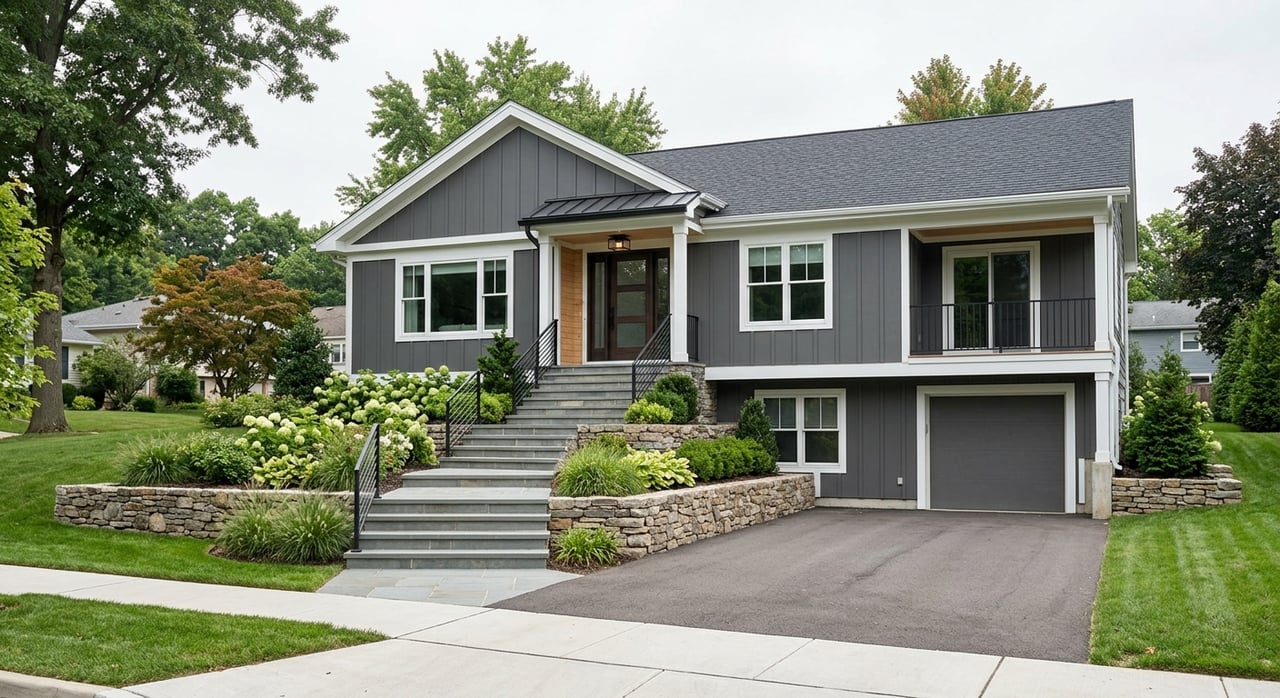
Split-level homes take some of the ranch concept and divide it across multiple horizontal levels. Eugene’s architecture guide notes that these homes typically place the main living area a half-story above the entry, with the garage or family room a half-story below.
That design was often linked to larger homes, growing households, and sloped lots. In River Road, a split-level can offer more defined zones than a standard single-level house.
One of the biggest benefits is separation. Living spaces and sleeping spaces usually feel more distinct, which can be helpful if you want more privacy between different parts of the home.
Split-levels can also make a home feel larger by spreading rooms across levels. If you like having dedicated areas for relaxing, hobbies, or work, this layout may give you more options.
The main tradeoff is stairs. Unlike a ranch, a split-level often requires more up-and-down movement during the day, which can affect convenience depending on your lifestyle.
You will also want to think about how often you use each level. A layout that looks appealing on paper may feel less convenient if your daily routine constantly moves you between floors.
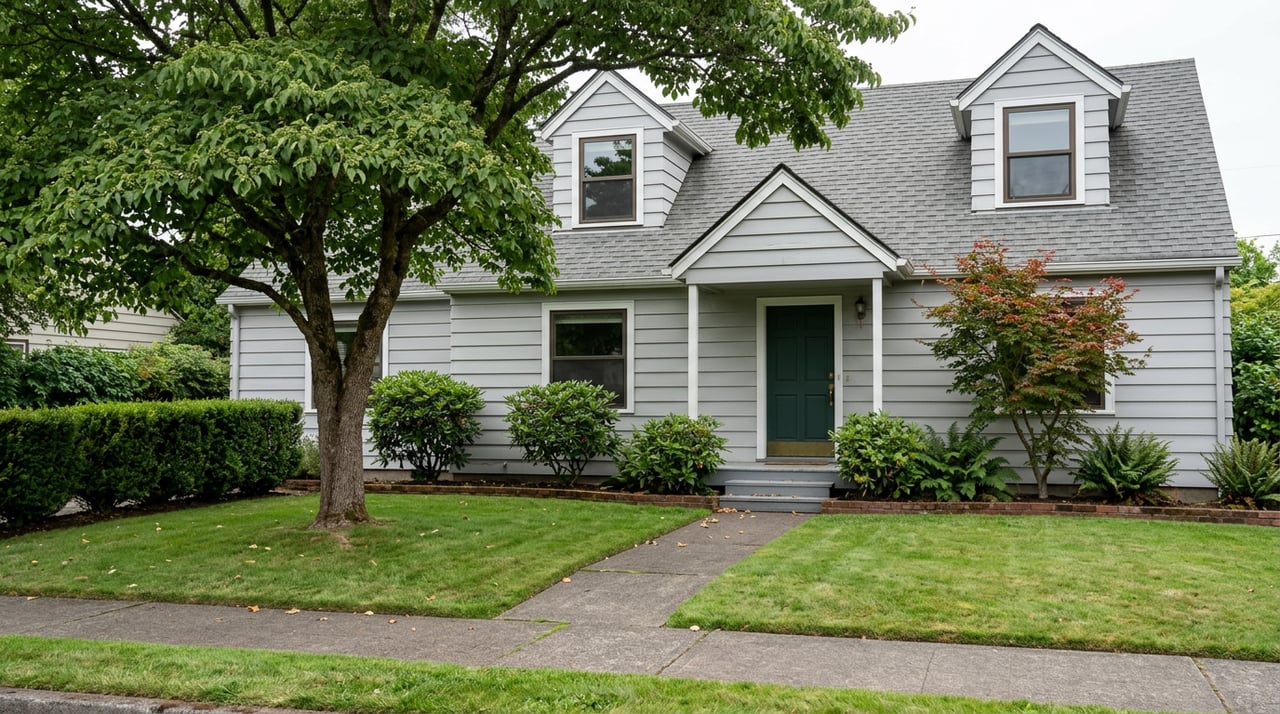
River Road’s housing story includes older cottages, bungalow-style farmhouses, and smaller early homes. Eugene’s architecture guide describes cottage-era homes as compact, usually one-story homes with simple square or rectangular footprints and minimal eave overhangs.
For many buyers, that smaller scale is part of the appeal. These homes can feel cozy, efficient, and easier to maintain than a larger property.
If you prefer a simpler footprint, a cottage or bungalow-style home may fit well. Daily cleaning can be more manageable, and the home’s smaller size can create a sense of connection between rooms.
These homes can also be a good fit for buyers who want character without a lot of extra square footage. In River Road, they reflect some of the area’s earliest housing patterns and can offer a different feel from the later postwar homes nearby.
The tradeoff is usually space. Compared with ranches or split-level homes, cottages and bungalows often offer less storage and less room to spread out.
That does not make them less livable. It just means you will want to think carefully about how much space you truly need and how you use it each day.
River Road is evolving, not standing still. The 2024 River Road-Santa Clara Neighborhood Plan updated standards that affect low-density residential and commercial parcels, and Eugene has also expanded support for infill housing through its pre-approved ADU program.
That means newer small-scale housing is now an active part of the neighborhood mix. City activity on River Road projects, including housing work on Hunsaker Lane, reflects that change.
Newer infill homes often trade yard size for efficiency. If you want a more compact footprint, newer systems, and a layout designed around modern daily use, these homes may be worth a closer look.
In many cases, they can offer a lower-maintenance lifestyle than some older homes. The tradeoff may be less outdoor space or a tighter lot compared with older River Road properties.
Some buyers also look at River Road through the lens of flexibility. Depending on the parcel, future options may include remodeling or adding an ADU, but those possibilities are site-specific and depend on zoning and jurisdiction.
That is especially important in River Road because rules can differ between properties inside Eugene city limits and those in the unannexed urban growth boundary. A property may have potential, but each site needs its own review.
River Road includes 1,593.95 acres and 4,781 lots within the urban growth boundary, which works out to about 0.33 acres per lot on a simple average basis before accounting for streets and water. In real life, individual homesites vary widely.
That variation is part of what makes River Road distinctive. Some properties reflect the area’s older semi-rural pattern, while others are more typical suburban lots or newer infill sites.
If outdoor space matters to you, River Road can offer real variety. Older sections may have larger-feeling parcels, while newer homes may focus more on efficient indoor living.
Neither approach is better across the board. The right fit depends on whether you value garden space, easier upkeep, room to expand, or a more compact setup.
Housing choices also connect to budget. Census QuickFacts lists River Road’s median owner-occupied home value at $397,800 for 2020 through 2024, compared with $460,400 for Eugene citywide during the same period.
That does not mean every River Road home is affordable or lower priced. It does suggest that, at the median, River Road can offer a somewhat more budget-friendly owner-occupied option than Eugene overall, while still giving buyers a range of home ages, lot types, and layouts.
River Road also has a higher owner-occupied housing rate than Eugene overall, at 66.9% compared with 47.9% citywide. For buyers, that can be one more useful piece of context when comparing submarkets.
If your top priority is ease of movement, a ranch or single-level newer home may be the most practical choice. These layouts tend to support smooth day-to-day circulation and can feel simpler to live in over time.
If you want more separation between shared space and private space, a split-level may be worth exploring. If you value a smaller footprint and simpler maintenance, a cottage or bungalow-style home may be a better fit.
The key is to match the home to your routine, not just your wish list. In River Road, the right house is often the one that fits how you actually live now while still leaving room for what comes next.
If you are comparing River Road home styles and want help narrowing down which layout makes the most sense for your goals, Amanda Parker can help you evaluate the neighborhood, the lot, and the day-to-day livability of each option with local insight and hands-on guidance.
Stay up to date on the latest real estate trends.


We pride ourselves in providing personalized solutions that bring our clients closer to their dream properties and enhance their long-term wealth. Contact us today to find out how we can be of assistance to you!