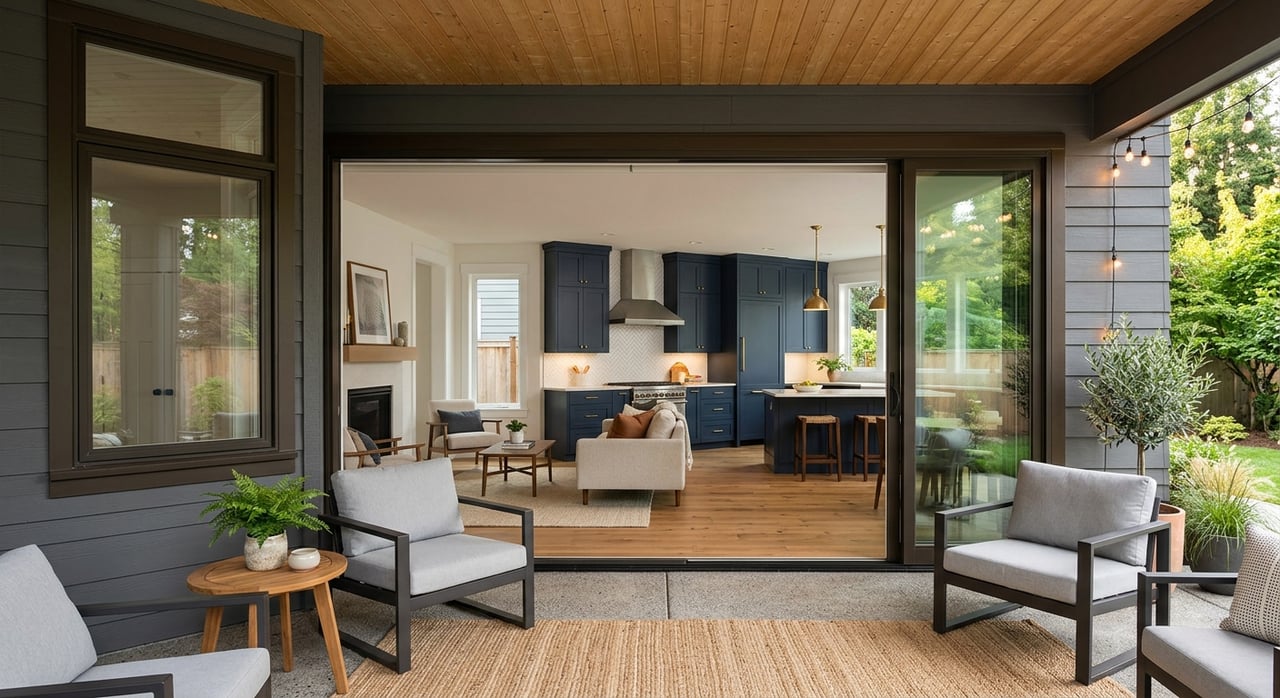
Is A Cottage Grove Home Your Ideal Weekend Retreat?
June 25, 2026
June 25, 2026
Dreaming about a place where you can slow down for a couple of days without driving hours into the wilderness? Cottage Grove has a lot going for it if you want a weekend retreat that feels active, charming, and easy to use. If you are considering a second home here, it helps to look beyond the postcard appeal and think about access, upkeep, rules, and real monthly costs. Let’s dive in.
Cottage Grove stands out because it blends outdoor recreation with a walkable historic core. You are not choosing between a lake setting and a downtown setting as sharply as you might in other markets. In many parts of town, you can build a weekend around both.
From Eugene, Cottage Grove is a straightforward drive south on I-5, and the city places Trailhead Park at 10th and Main in the downtown area. That setup makes quick Friday-night arrivals and low-stress weekend plans more realistic. For many buyers, that convenience is a big part of what makes a second home worth it.
The Row River Trail is one of Cottage Grove’s strongest lifestyle features. The Bureau of Land Management describes it as a paved, multi-use National Recreation Trail along Dorena Reservoir, with parking and restrooms at roughly 2- to 3-mile intervals. The city also describes the corridor as a 15-plus-mile off-street route, so the exact mileage can vary by source, but the main takeaway is clear: this is a meaningful recreation asset, not a short local path.
If you picture your weekends filled with biking, walking, and easy scenic outings, that matters. The trail is day-use only, and the BLM notes there is no camping and no food or water on the trail. That makes nearby home access especially valuable because you can head out for the day and return to a comfortable base nearby.
Cottage Grove Lake and Dorena Lake expand what your weekends can look like. According to the U.S. Army Corps of Engineers, both are part of the Willamette Valley Birding Trail’s Big River Loop. That gives you more than one way to enjoy the area, whether you prefer shoreline views, birding, picnics, or boating when conditions allow.
There are a few practical details to know. Cottage Grove Lake has four no-fee day-use parks open from mid-May through mid-September, while Dorena Lake has two no-fee day-use parks open year-round from dawn to dusk. Boat access can also be seasonal, and ramp availability may depend on water levels.
Some towns use the word historic loosely, but downtown Cottage Grove is an actual historic district. It was listed on the National Register of Historic Places in 1992 and is also locally designated as a historic district. That gives the area a more established identity and a more defined sense of place.
For a weekend-home buyer, that can be a real plus. You may be able to spend the morning on the trail, then head back into town for coffee, a meal, or a casual walk through downtown without needing to plan a full day around driving.
Cottage Grove is closely tied to its covered bridges. The city identifies six covered bridges in or around the community, including Chambers Railroad Bridge, which it says is the last covered railroad bridge in Oregon. That gives the area a distinct heritage identity that many buyers find memorable.
The city also connects the covered bridge experience to the Row River Trail and presents it as a family bike-vacation opportunity. If your ideal retreat includes simple, repeatable activities you will actually use, this kind of built-in weekend rhythm can be a big advantage.
One of Cottage Grove’s underrated strengths is how easily some weekends can unfold without constant driving. The city’s Covered Bridges Scenic Bikeway information places Trailhead Park at 10th and Main, with parking and restrooms across Main Street in Bohemia Park. It also notes that Main Street includes coffee shops, restaurants, pubs, and a bike shop.
That compact setup supports a stay-local pattern. Instead of buying a remote property that requires planning every outing, you may be able to own a home here that feels convenient and flexible for short visits.
A weekend retreat still needs to work as a property, not just a lifestyle idea. In Cottage Grove, a smart purchase usually means looking closely at location, historic status, flood exposure, utility costs, and how you plan to use the home.
Not every Cottage Grove property delivers the same retreat experience. Some homes will feel more connected to downtown and Trailhead Park, while others may be better positioned for reservoir access or a quieter residential setting. Your best fit depends on how you want to spend your weekends.
If you want easy bike rides and walkable outings, focus on homes near downtown and the Row River Trail access points. If lake recreation is higher on your list, pay attention to driving routes, seasonal park access, and whether your preferred lake activities depend on water levels or seasonal boat ramps.
If you are drawn to an older home downtown, confirm whether it sits in the locally designated historic district. The city says local historic preservation standards apply to structures in the district. Buyers planning exterior changes or restoration work should expect review steps before making certain alterations.
That does not mean historic ownership is a bad fit. It simply means the home may come with extra planning responsibilities, especially if preserving original character matters to the city’s standards.
Flood risk deserves careful attention in Cottage Grove. The city says it sits immediately south of the confluence of the Row River and the Coast Fork Willamette River, and it notes that flooding has occurred historically. That makes floodplain review more than a box to check.
The city also participates in the National Flood Insurance Program Community Rating System as a Class 6 community, which it says gives eligible NFIP policyholders a 20% discount. If a property is in a flood area, floodplain development permits are required for work there, so it is wise to review maps, prior improvements, and any flood-related documents early.
Your monthly budget should include more than the mortgage payment. Cottage Grove bills water, wastewater, and storm drainage on one monthly utility bill. For a second home, those fixed costs matter even when you are not in town every weekend.
You should also think about recreation access in practical terms. Cottage Grove Lake’s day-use parks are seasonal, while Dorena’s day-use parks are open year-round. If your retreat plans depend on a certain lake routine, seasonal access may shape which location feels most convenient.
Before you make an offer, be clear about whether the property will be a true second home, a part-time rental, or an investment property. This is one of the most important planning steps because lender treatment and city rules can change based on how the home is used.
Fannie Mae’s selling guide says a second home must be occupied by the borrower for some portion of the year, must be suitable for year-round occupancy, must not be rental property, and cannot be subject to a management firm controlling occupancy. A home rented full-time is treated differently. In other words, lender classification depends on actual use, not just what you call the property.
That is especially important if you are thinking, “We’ll use it some weekends and rent it out the rest of the time.” That plan may affect financing options, documentation, and underwriting expectations.
If you are considering short stays, check city requirements before you count on rental income. Cottage Grove’s Business Licenses page says the city currently requires business licenses for transient room tax, and the ordinance sets a 3% transient room tax on stays under 30 days. The code also includes exemptions in some incidental private-home or vacation-cabin situations, so you should verify treatment directly with the city.
The key point is simple: do not assume every short-term rental is automatically allowed, taxable, or exempt in the same way. Your exact use matters.
A good weekend retreat feels relaxing because the finances feel manageable. That usually means looking at total monthly cost instead of focusing only on the interest rate or purchase price.
Your budget may include:
For second-home financing, compare more than one loan option and look closely at the full payment structure. A home that looks affordable on paper can feel very different once insurance, taxes, utilities, and upkeep are added in.
Cottage Grove may be a strong fit if you want a weekend home that is active, approachable, and rooted in a real town rather than a remote getaway setting. The mix of trail access, lake recreation, covered bridge heritage, and historic downtown charm gives it a lifestyle that is easy to picture and, just as important, easy to use.
The best property here depends on how you plan to spend your time. Some buyers will want downtown access and bike-friendly weekends, while others will prioritize lake proximity, privacy, or a home with room for longer stays. A careful, local property search can help you match the house to the lifestyle instead of settling for a home that only looks good online.
If you are exploring Cottage Grove as a second home or weekend retreat, Amanda Parker can help you compare locations, evaluate property details, and find a home that fits how you actually want to live.
Stay up to date on the latest real estate trends.
We pride ourselves in providing personalized solutions that bring our clients closer to their dream properties and enhance their long-term wealth. Contact us today to find out how we can be of assistance to you!