Comparing Springfield, Thurston, and Hayden Bridge Neighborhoods
July 9, 2026
July 9, 2026
Wondering which part of Springfield might feel most like home? If you are comparing core Springfield, Thurston, and Hayden Bridge, it helps to look past the map and think about how each area supports your daily routine. From transit access to housing patterns to nearby parks, each pocket offers a different experience, and this guide will help you sort out which one lines up best with your lifestyle. Let’s dive in.
Springfield is a city of 61,499 people with 25,905 housing units, a median age of 37.4, and a mean commute time of 19.5 minutes. Citywide, 55% of occupied homes are owner-occupied, 65% of housing is in single-unit structures, and the median value of owner-occupied homes is $358,700.
That citywide picture is helpful, but these three areas do not function the same way. Based on Springfield planning documents, core Springfield is the most mixed-use and transit-oriented, Thurston is the most established residential pocket, and Hayden Bridge is the most corridor-based suburban area.
If you want a more connected, mixed-use feel, core Springfield stands out. The city describes downtown as Springfield’s historical heart and its governmental and cultural center, and current planning encourages mixed-use redevelopment, homes above ground-floor businesses, and multi-family residential uses in the downtown core.
In practical terms, that points to a denser housing mix than you will usually find in Thurston or Hayden Bridge. If you like the idea of living closer to civic spaces, local businesses, and a more active street network, core Springfield may feel like the right fit.
For bus access, core Springfield has the clearest advantage. Springfield Station sits at the center of the local route network, with Route 11, Route 17, and Route 85 beginning there, and EmX connecting downtown Springfield with downtown Eugene, the University of Oregon, and Gateway/RiverBend.
If you want the easiest car-light routine of the three, downtown is the strongest match. That can matter if you commute by bus, prefer to simplify errands, or just like having more transportation options built into your neighborhood.
The recreation profile near central Springfield leans toward riverfront and civic gathering spaces. Island Park offers 14 acres near downtown and the Willamette River, with trails, shelters, a stage, and a boat ramp. Millrace Park adds another small green space near downtown, and Willamalane Park includes a skate park, playground, basketball court, outdoor exercise equipment, and a running trail.
If you picture your free time including river-adjacent parks, public events, or flexible community spaces, core Springfield has a lot to offer. The feel is less about large residential trail systems and more about central access and shared public amenities.
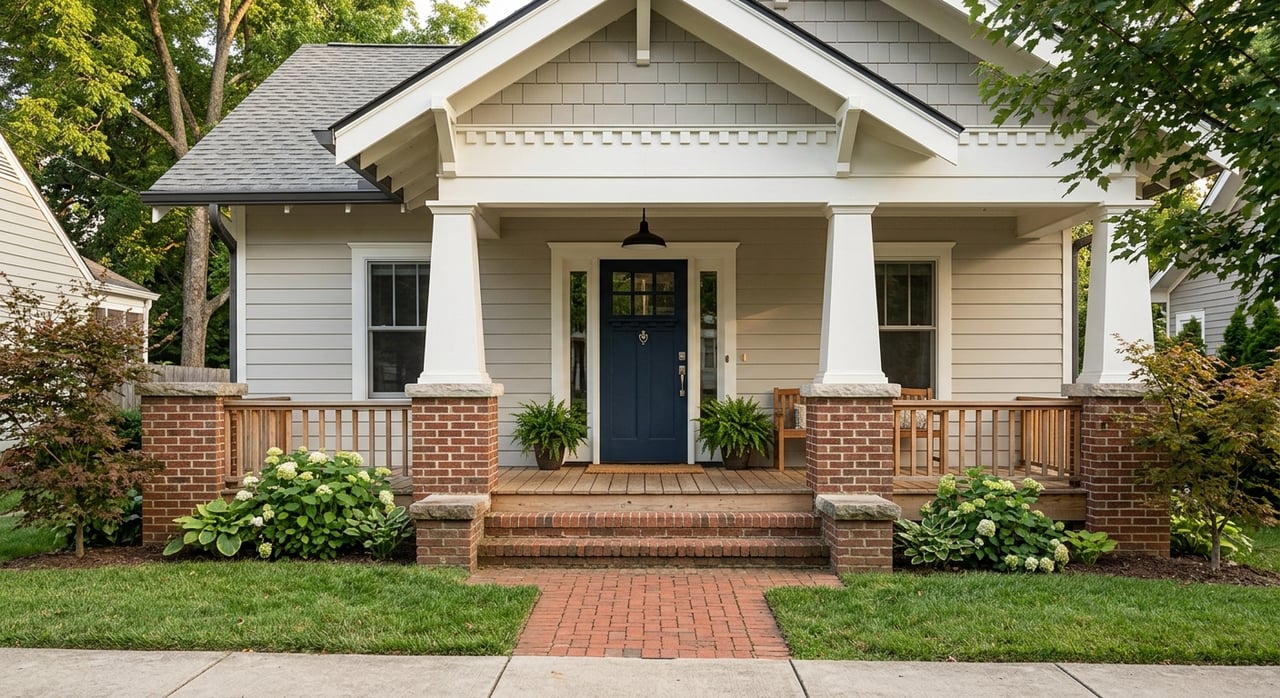
If your ideal neighborhood feels established and residential, Thurston deserves a close look. Springfield planning documents describe this area as dominated by single-family detached homes, with a mix of owners and renters and few redevelopment opportunities because the area is largely built out.
That built-out pattern gives Thurston a settled feel. It is the kind of area where the overall layout is more predictable, and daily life tends to center on neighborhood streets, nearby retail, and familiar local destinations.
One practical strength of Thurston is how its housing and services fit together. City documents note that housing choices in the area are within walking distance of Thurston High School and retail near Bob Straub Parkway and Main Street.
That does not mean every home is walkable to every stop on your list, but it does show how the area was shaped around everyday errands and local destinations. If you want a neighborhood that feels established rather than in transition, Thurston may appeal to you.
Thurston also has strong bus service for a suburban pocket. Route 11 operates as an all-day route seven days a week with 15-minute or better service, and it serves Main Street, 58th Street, Thurston Road, Thurston Middle School, Thurston High School, and Lively Park.
That makes Thurston the most bus-legible of the two more suburban options. If you want a residential setting but still care about having a clear, reliable transit spine, Thurston offers a strong middle ground.
Thurston has the strongest trail and active recreation profile of these three areas. Thurston Hills Natural Area covers 665 acres and includes more than 12 miles of trails, while Lively Park offers 31 acres with a playground, dog park, nature trail, basketball court, and picnic areas.
If your ideal weekend includes trail time, outdoor activity, or easy access to larger natural spaces, Thurston has a clear edge. For many buyers, that blend of established housing and strong recreation access is a major plus.
Hayden Bridge offers a different kind of suburban experience. City planning documents describe the Q Street and Hayden Bridge area as a mainly residential area bounded by Pioneer Parkway, Hayden Bridge Road, 19th Street, and OR-126.
Another city land-use document notes that the urban growth boundary line north of Hayden Bridge Road was placed to include most existing dwellings. Together, those details support the idea of an established residential corridor, though official sources are less specific about the exact mix of home types in the area.
Compared with core Springfield and Thurston, Hayden Bridge appears more spread out and more shaped by major roads. Route 17 runs from Springfield Station through Hayden Bridge Place, Hayden Bridge Road, 19th Street, and Marcola Road, serving Mohawk Marketplace, Walmart, WinCo Foods, McKenzie-Willamette Medical Center, and Springfield High School.
The Springfield Bicycle Plan also describes Hayden Bridge Road as a transit-feeder corridor and treats its east end as a residential collector. In everyday terms, Hayden Bridge may fit you well if you value easy access to east Springfield errands and a quieter residential pattern over a more walkable or urban layout.
Hayden Bridge’s park profile is more neighborhood-scaled than the other two. Royal Delle Park includes a paved walking path, open green space, a half-court basketball area, and a playground. Page Park sits next to the EWEB Path and includes an informal baseball field and fenced tennis courts.
If you prefer nearby neighborhood parks over larger civic or trail-centered destinations, Hayden Bridge may feel comfortable and practical. It offers useful everyday recreation without the same large natural-area emphasis you see in Thurston.
Choosing between these three areas often comes down to how you want your days to work. Here is a simple way to think about it:
None of these areas is universally “best.” The right fit depends on whether you value transit, housing style, park access, errands, and neighborhood feel most.
When you tour homes in Springfield, it helps to compare more than square footage and price. The same home search can feel very different depending on whether you picture yourself near Springfield Station, close to Thurston’s trail network, or in Hayden Bridge with easier access to daily errands along major corridors.
This is where local guidance matters. A neighborhood that looks similar online can live very differently once you factor in bus routes, park access, redevelopment patterns, and how built-out an area already is.
If you are weighing Springfield, Thurston, and Hayden Bridge, Parker Heights Realty can help you narrow the options based on how you actually want to live, commute, and spend your time.
Stay up to date on the latest real estate trends.
We pride ourselves in providing personalized solutions that bring our clients closer to their dream properties and enhance their long-term wealth. Contact us today to find out how we can be of assistance to you!