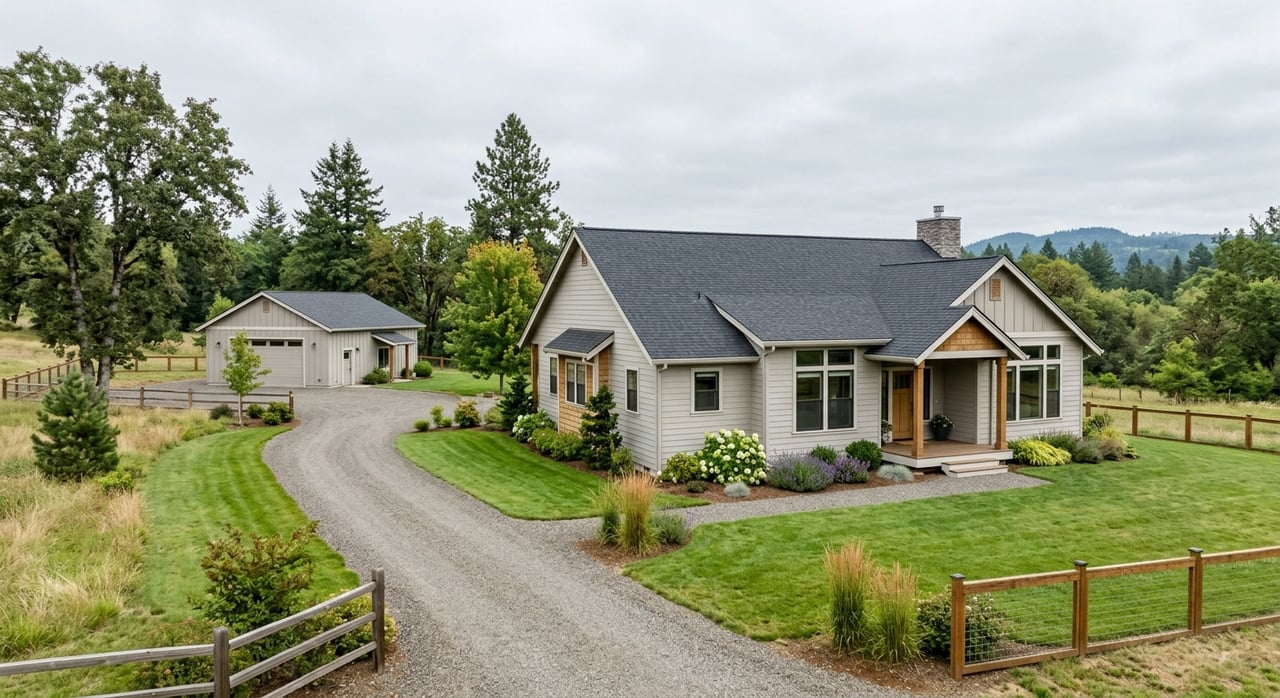
Choosing Between In-Town And Acreage Living In Veneta
July 2, 2026
July 2, 2026
Wondering whether Veneta is a better fit in town or out on a few acres? You are not alone. Many buyers love Veneta for its small-city feel, access to Eugene, and connection to farms, open space, and Fern Ridge, but the right choice often comes down to how you want to live day to day. This guide will help you compare convenience, upkeep, property flexibility, and due diligence so you can make a smarter move. Let’s dive in.
Veneta is a small city about 12 miles west of Eugene, with a 2025 population estimate of 5,138. It functions as a sub-regional center for nearby communities like Elmira, Crow, Noti, and Walton, while also offering close access to west Eugene jobs and services.
That mix gives you two very different living experiences. You may find a more traditional in-town property with city services and standard lot sizes, or a rural residential property nearby with more land and a different set of rules, utilities, and maintenance needs.
Veneta also has a 73.6% owner-occupied housing rate, and the median value of owner-occupied homes is $385,200. Those numbers support what many buyers already sense here: Veneta is not a dense suburban market. It is a place where lifestyle fit matters just as much as square footage.
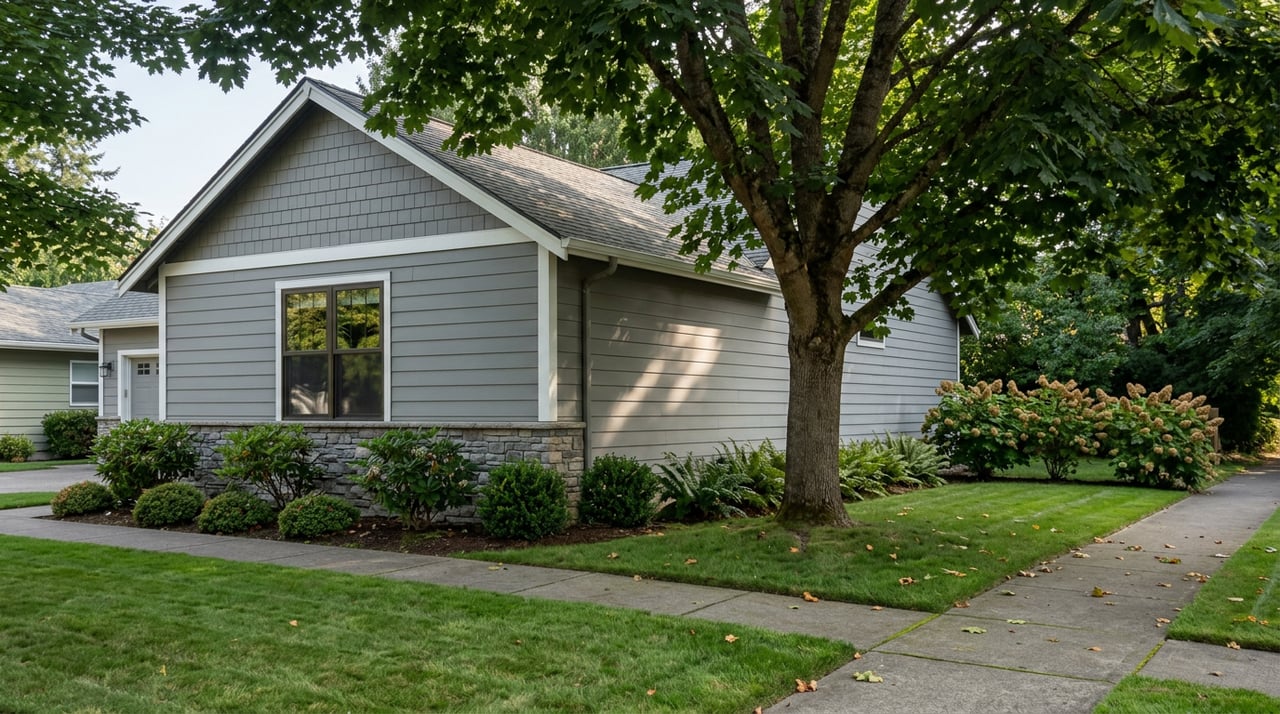
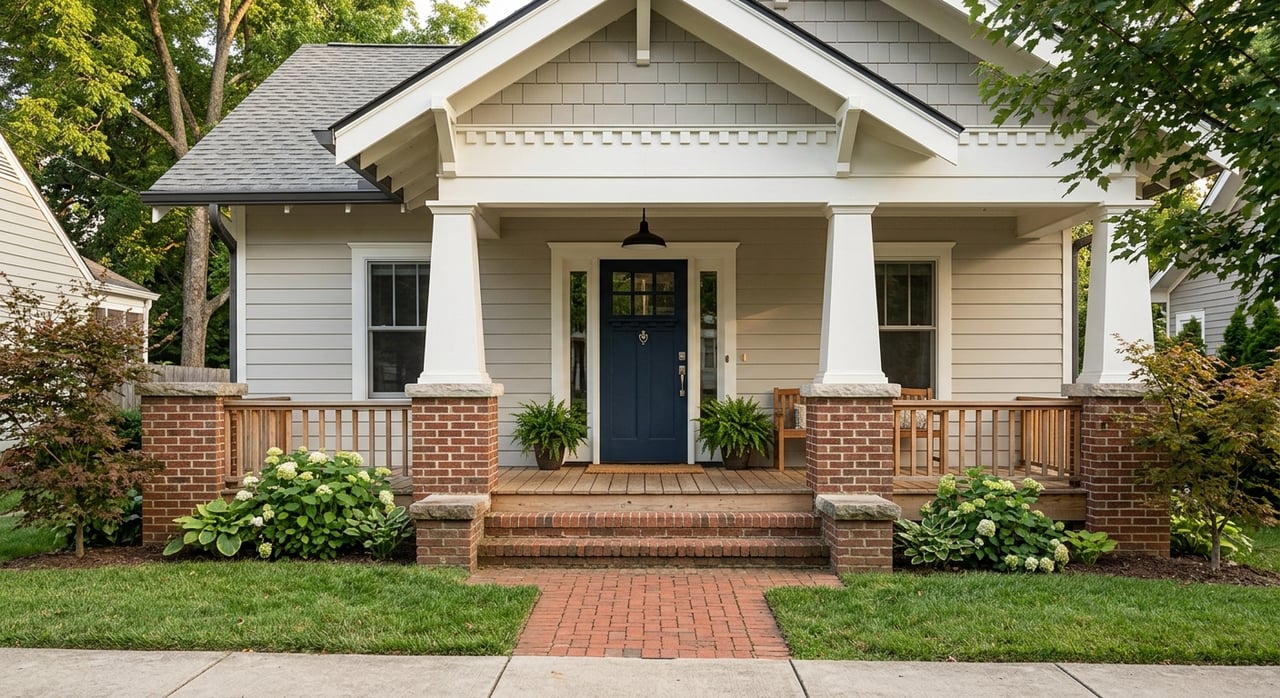
If you want a simpler daily setup, in-town Veneta often makes a strong case. The city provides potable water through its own system, maintains sewer service, and current residential base charges include water, sewer, stormwater, street utility, and public safety fees.
For many buyers, that means fewer moving parts to verify before closing. Instead of sorting through private systems, you are more likely to focus on the home itself, the lot layout, and any planned updates.
One of the biggest benefits of living in town is the utility setup. Veneta’s water service area includes all city limits and the urban growth boundary, which can make service questions more straightforward than they are on rural parcels.
That does not mean you should skip due diligence. It does mean you are usually dealing with established municipal systems rather than septic questions or more complex water verification.
In-town living can also be appealing if convenience matters to you. LTD Route 93 serves Veneta seven days a week and connects Veneta Park & Ride with Eugene Station.
The city also highlights its comfortable commute and proximity to shopping, services, and west Eugene jobs. If you want easier day-to-day access without giving up a smaller-community feel, this can be a major advantage.
Buyers who plan to add a garage, remodel, or explore an accessory dwelling unit often prefer understanding the process up front. In Veneta, building and electrical permits are handled through the City of Cottage Grove and Oregon’s ePermitting system.
That city-based permitting path can be helpful if you want a more defined process for future improvements. It is especially relevant if you are comparing an in-town home to a rural property with county-level land use review.
In-town property usually means a more compact lot and tighter site rules. Veneta’s zoning code allows accessory structures and vehicle storage, but it also sets limits such as a 24-foot roof height for accessory structures in residential zones, a 20-foot garage setback from the front lot line, and restrictions on placing most accessory structures in the front-yard area.
That structure can be a plus if you want a neighborhood with more predictable lot use. It can be a drawback if your dream is a large detached shop, broad equipment storage, or a looser site layout.
Veneta also offers pre-approved ADU plans. For buyers thinking about multigenerational living, a second living space, or maximizing a smaller in-town lot, that can create useful flexibility.
This does not mean every lot will work the same way. It does mean in-town buyers may have more accessible paths to certain accessory housing options than they expect.
Acreage living can offer space, privacy, and a stronger rural feel. If you want room for outbuildings, outdoor storage, or simply more separation from neighbors, rural residential property near Veneta may be worth the extra homework.
The key word is homework. Once you leave the urban growth boundary, you are often stepping into a different zoning framework, different utility realities, and a different level of ongoing property care.
Lane County says parcels inside urban growth boundaries are governed by Chapter 10, while parcels outside UGBs are governed by Chapter 16. That distinction matters because a property’s mailing address alone does not tell you which rules apply.
On rural residential land, the county allows accessory structures such as garages, sheds, greenhouses, hobby shops, and animal or pet shelters. It also allows a guest house or accessory residential structure up to 850 square feet with a toilet or bathroom but no kitchen, and it allows one ADU on rural residential parcels of at least 2 acres if other requirements are met.
Outside the city service area, you need to verify how the property handles water and wastewater. Lane County regulates on-site wastewater systems for properties that are not served by community sewer systems, and some projects require land-use approval before a septic permit can be issued.
For buyers, this usually means asking more questions early. You will want to understand not just whether a system exists, but whether it supports your plans for additions, guest space, or future improvements.
Many buyers are drawn to acreage for lifestyle reasons, and that makes sense. More room can support hobbies, gardening, storage, or simply a quieter setting.
At the same time, more land usually means more maintenance. Rural owners often take on septic management, longer driveways, access concerns, fire safety planning, and upkeep for larger yards or multiple outbuildings.
Veneta identifies wildfire as the primary hazard facing the community, and Lane County says wildfire is one of the county’s most common and destructive hazards. Lane County also says flood hazard is significant, and county floodplain rules apply in rural areas.
If you are looking at acreage near wooded edges, creek corridors, or low-lying land, it is smart to review defensible space, emergency access, and floodplain constraints as part of your normal property review. These are not unusual concerns in this market, but they do deserve close attention.
For many buyers, the area around Fern Ridge is part of Veneta’s appeal. The reservoir area supports sailing, power boating, water skiing, picnicking, swimming, fishing, hunting, and wildlife viewing.
That lifestyle can be a major reason to choose this part of Lane County. At the same time, Fern Ridge is also a managed landscape tied to recreation, habitat, and flood-risk management, so nearby properties still need careful review for land constraints and practical access.
This is often the real decision point. Acreage usually gives you more separation, more outdoor room, and a more rural atmosphere.
In-town homes usually give you closer access to water, sewer, transit, and everyday services. Neither option is better across the board. The right answer depends on how much convenience you want versus how much space and independence you are willing to manage.
No matter which direction you are leaning, Veneta buyers benefit from parcel-specific research. The most important details are often not visible in a listing photo.
Use this checklist when comparing homes in town and acreage near Veneta:
If you want a simpler utility setup, easier transit access, and a more predictable framework for future improvements, in-town Veneta may be the better fit. If you want more privacy, more room for outbuildings, and a rural lifestyle, acreage near Veneta may be worth the added due diligence.
In this market, the biggest question is not just city versus country. It is whether the parcel’s zoning, utility setup, and land constraints match your goals, your budget, and your tolerance for upkeep.
That is where local guidance can make a real difference. If you want help comparing in-town homes and acreage properties around Veneta, Amanda Parker can help you sort through the details and find the right fit for how you want to live.
Stay up to date on the latest real estate trends.
We pride ourselves in providing personalized solutions that bring our clients closer to their dream properties and enhance their long-term wealth. Contact us today to find out how we can be of assistance to you!