Living In Coburg: Small-Town Charm Near Eugene
June 18, 2026
June 18, 2026
Thinking about a quieter pace without giving up easy access to Eugene? Coburg stands out because it feels small on purpose. You get a compact historic town, local events, walkable streets, and a short trip to bigger city amenities. If you are wondering what daily life here really looks like, this guide will help you picture it. Let’s dive in.
Coburg is a very small city in Lane County with 1,626 residents and about 1.2 square miles of land. That small footprint shapes daily life in a real way. Instead of long drives across town, many places feel close together and easy to reach.
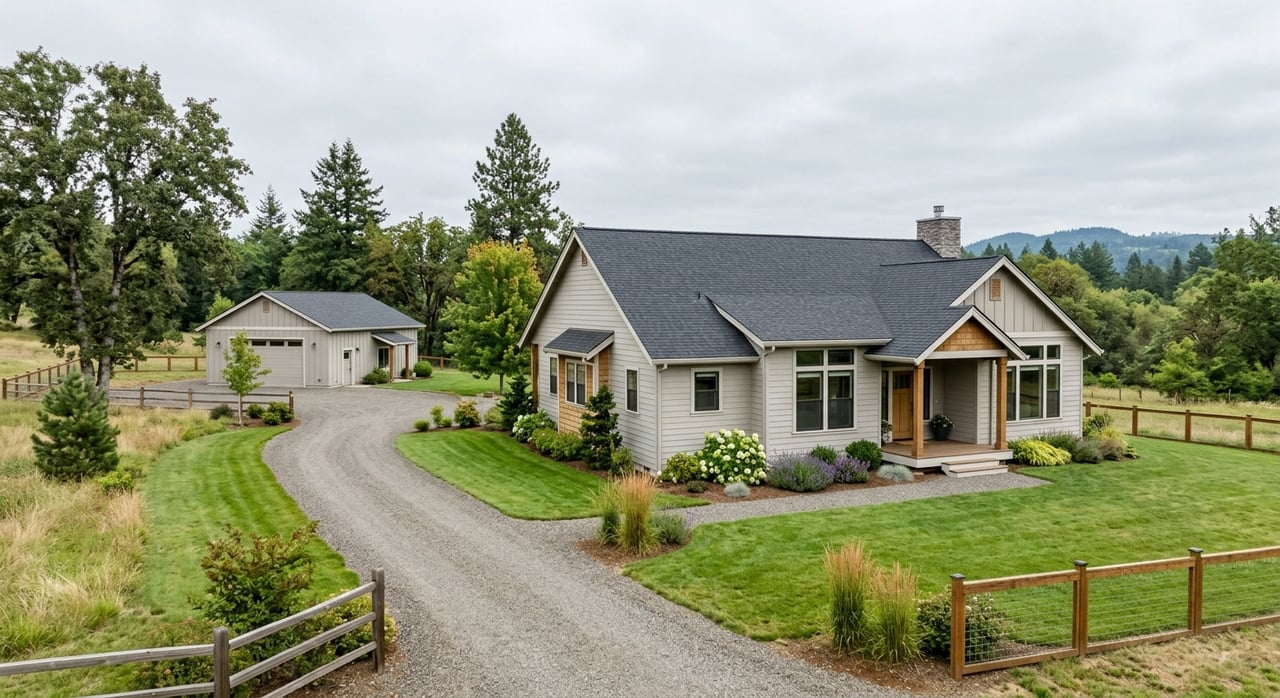
The city describes itself as just 10 minutes north of Eugene and Springfield, with farmland and the McKenzie River helping separate it from its urban neighbors. That setting gives Coburg a distinct identity. You can stay connected to the Eugene-Springfield area while enjoying a more compact, small-town environment.
Census Reporter data shows a median age of 38.8 and a mean travel time to work of 17 minutes. For many buyers, that points to a lifestyle that can balance local routines with regional commuting. In practical terms, Coburg can feel tucked away without feeling remote.
One of the biggest draws of living in Coburg is its historic downtown. The city describes it as a tree-lined district centered on small businesses, antiques, and local restaurants. That creates a setting that feels more personal and walkable than a typical commercial strip.
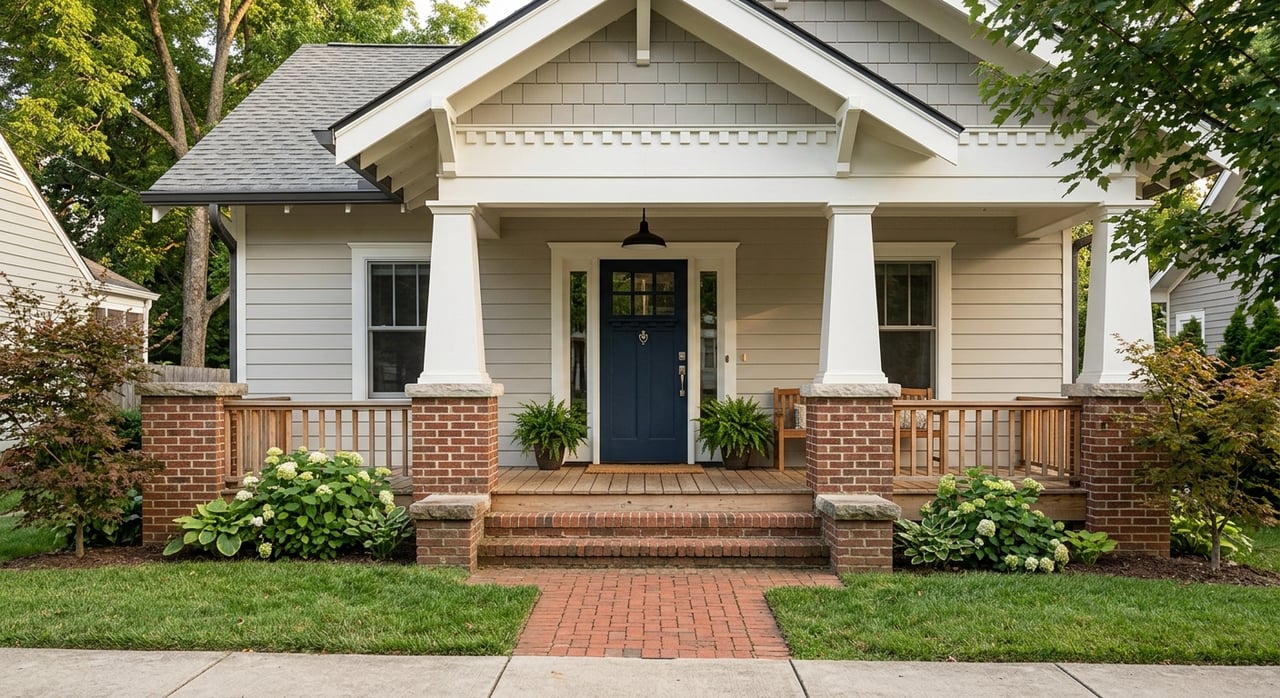
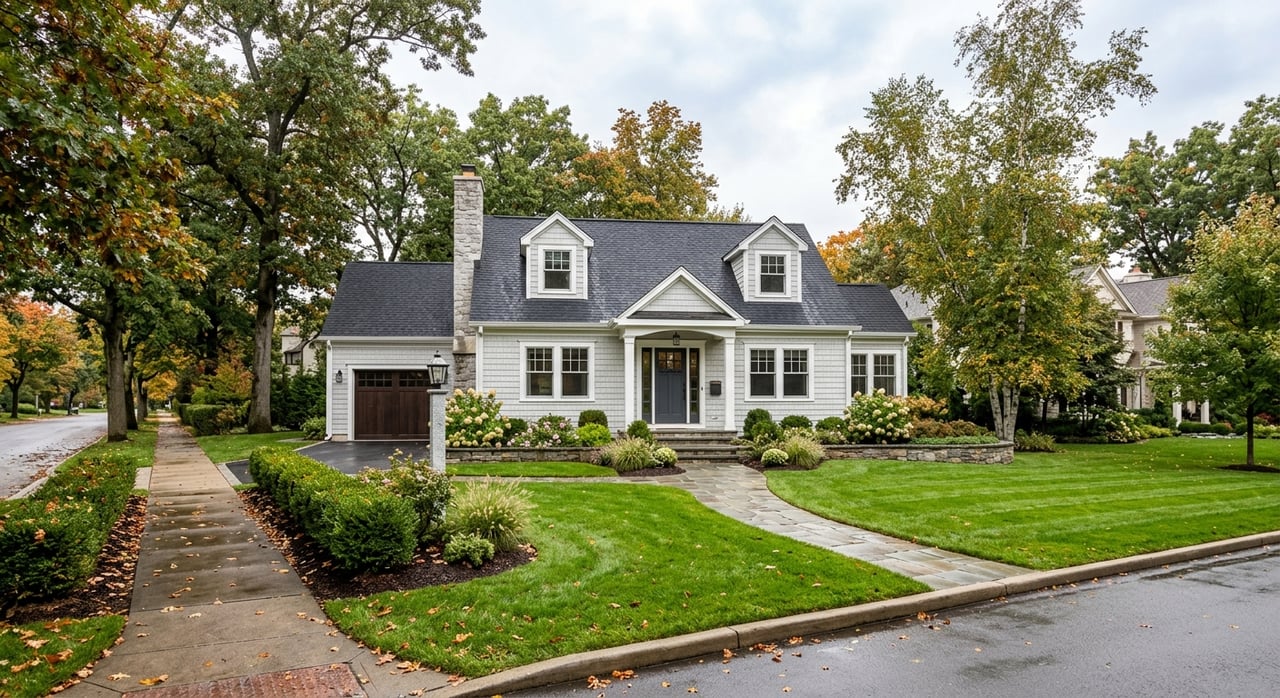
Coburg’s National Historic District includes more than 20 historic homes. According to the city, the area features late-1800s styles like Carpenter Gothic, cottages, and bungalows. Streets such as Willamette, Diamond, Pearl, and McKenzie show just how concentrated that historic character is.
For you as a buyer, that means the town’s charm is not limited to one landmark or one block. It is part of the everyday streetscape. A quick walk through downtown can give you a strong sense of Coburg’s identity.
Coburg’s small size also supports an active, outdoors-friendly routine. Public spaces are woven into town rather than pushed to the edges. That makes it easier to fit a walk, bike ride, or park visit into an ordinary day.
Norma Pfeiffer Park sits downtown, while Laura Park at the Pavilion hosts gatherings and events. The Coburg Loop Path connects neighborhoods, downtown, parks, the local school, and employment areas. The city says the path was designed to improve safety and livability, which speaks to how important local connections are here.
The south end of the Oregon State Willamette Valley Bikeway also runs through downtown. If you enjoy biking or simply like living in a place where people are out walking and riding, that matters. It adds to Coburg’s grounded, community-oriented feel.
Small towns often rise or fall on whether people actually gather, and Coburg has a strong event calendar for its size. The city lists annual traditions like the Coburg Antique & Vintage Fair, Scarecrow Festival, Pumpkin Run 5K, and Christmas in Coburg. Coburg Main Street also highlights Concerts in the Park and the Coburg Market during summer.
These events help explain why Coburg can feel social and lively even though it is small. The Antique & Vintage Fair is especially notable. City and Main Street materials use different counts, but both make clear that it is a very large event for a town of this size.
If you value a place where local traditions are visible and recurring, Coburg offers that rhythm. You are not just buying a house here. You are buying into a community calendar that brings people together throughout the year.
Coburg’s food scene reflects its local identity. Current options noted in community materials include Chiefs Brew House in historic downtown, Southpine Bakery and Cafe, and Coburg Pizza Company, which also operates Nana’s Caffé in its historic Coburg location. That mix points to independent businesses rather than a chain-heavy landscape.
For daily life, that can make a big difference. A town feels more connected when coffee, a casual meal, or a meet-up spot is part of the local fabric. In Coburg, those experiences are tied closely to downtown.
Coburg’s location is one of its strongest lifestyle advantages. The city says it sits at Exit 199 off Interstate 5 and is a short five minutes from both Eugene and Springfield. It also notes that public transit connects Coburg with Eugene and Springfield every day except Sunday.
For air travel, the city says Eugene Airport is about 20 minutes away. That level of access is unusual for a town this small. You can enjoy Coburg’s quieter setting while still reaching work, shopping, healthcare, and travel connections without much hassle.
This matters whether you work nearby, commute into the Eugene area, or simply want flexibility. Coburg offers a small-town home base with convenient regional reach.
Coburg’s housing stock is not one-size-fits-all. The city’s preservation materials highlight older homes and architectural variety near the historic core. Other city materials point to newer neighborhood areas and parks like Coburg Crossing, Johnny Diamond Park, and Trails End Park.
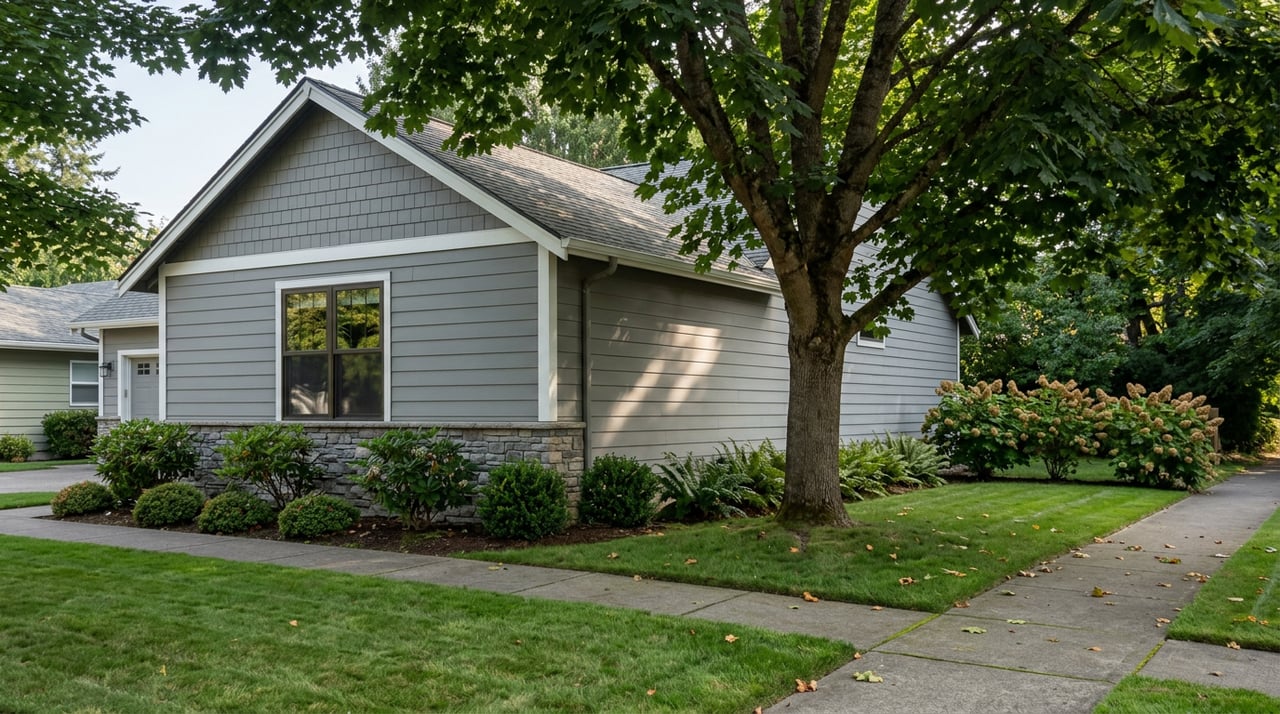
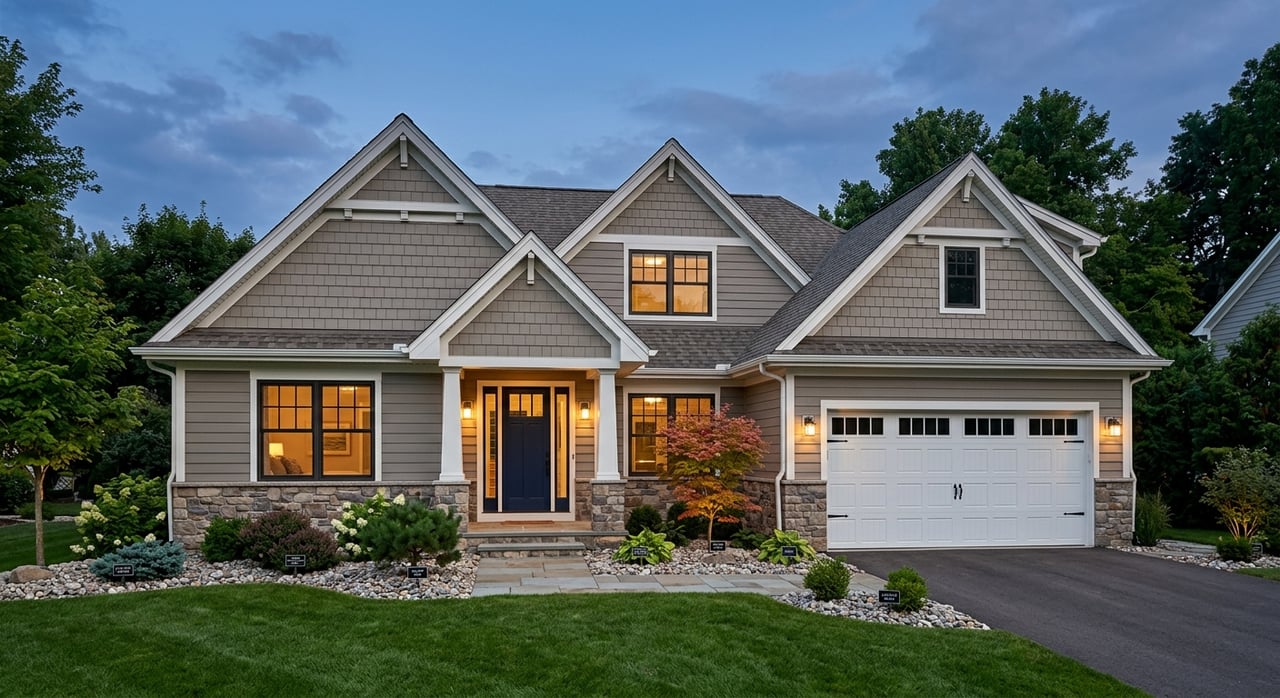
That suggests a clear pattern. Older homes tend to cluster closer to the traditional center of town, while newer subdivision-style homes appear more often toward the edges. If you are home shopping here, it helps to think of Coburg as a mix of historic character and newer residential pockets.
This variety can appeal to different types of buyers. You may be drawn to an older home near downtown, or you may prefer a newer layout in a more recently developed area. Either way, Coburg tends to feel more distinct than a standard suburban grid.
Coburg’s zoning code reinforces its small-town pattern. In the traditional residential district, the city says the purpose is to preserve the small-town and historic character of the traditional core. That helps explain why the center of town feels compact and connected.
The code allows several housing types in sewer-served areas, including single-family detached homes, duplexes, attached single-family homes, and multiple-family lots that meet size requirements. It also allows accessory dwelling units up to 1,000 square feet. In the traditional medium residential district, the code explicitly supports medium-density housing.
For buyers, the key takeaway is that Coburg has room for more than one kind of residential living. At the same time, the code shows a clear effort to protect the historic core’s character. That combination can shape future housing options while keeping the town’s established identity in focus.
Current Census Reporter data puts the median value of owner-occupied homes in Coburg at $494,400. That is not the same as an asking price or market forecast, but it does offer a useful snapshot. It suggests Coburg is a relatively tight housing market for a town of this size.
If you are considering a move here, it is smart to go in with clear expectations. Inventory may feel limited compared with larger nearby cities, and the homes themselves may vary a lot by age, location, and style. In a market like this, local guidance can make a big difference when you are comparing options.
Coburg can be a strong fit if you want a small-town setting with easy access to Eugene and Springfield. It may also appeal to you if you value walkability, local events, historic character, and a more personal scale of daily life. For some buyers, that combination is exactly the point.
It may be less ideal if you want a large-city feel or a wide range of housing choices all in one place. Coburg is compact, and that is part of its appeal. The tradeoff is that the market and lifestyle can feel more selective.
When buyers ask what living in Coburg feels like, the simplest answer is this: it feels connected. Connected to its own history, connected to local routines, and connected to the Eugene area without being swallowed by it.
If you are exploring Coburg or comparing it with other Lane County communities, Amanda Parker can help you sort through neighborhoods, home styles, and current market options with the kind of local, hands-on guidance that makes the process clearer.
Stay up to date on the latest real estate trends.
We pride ourselves in providing personalized solutions that bring our clients closer to their dream properties and enhance their long-term wealth. Contact us today to find out how we can be of assistance to you!