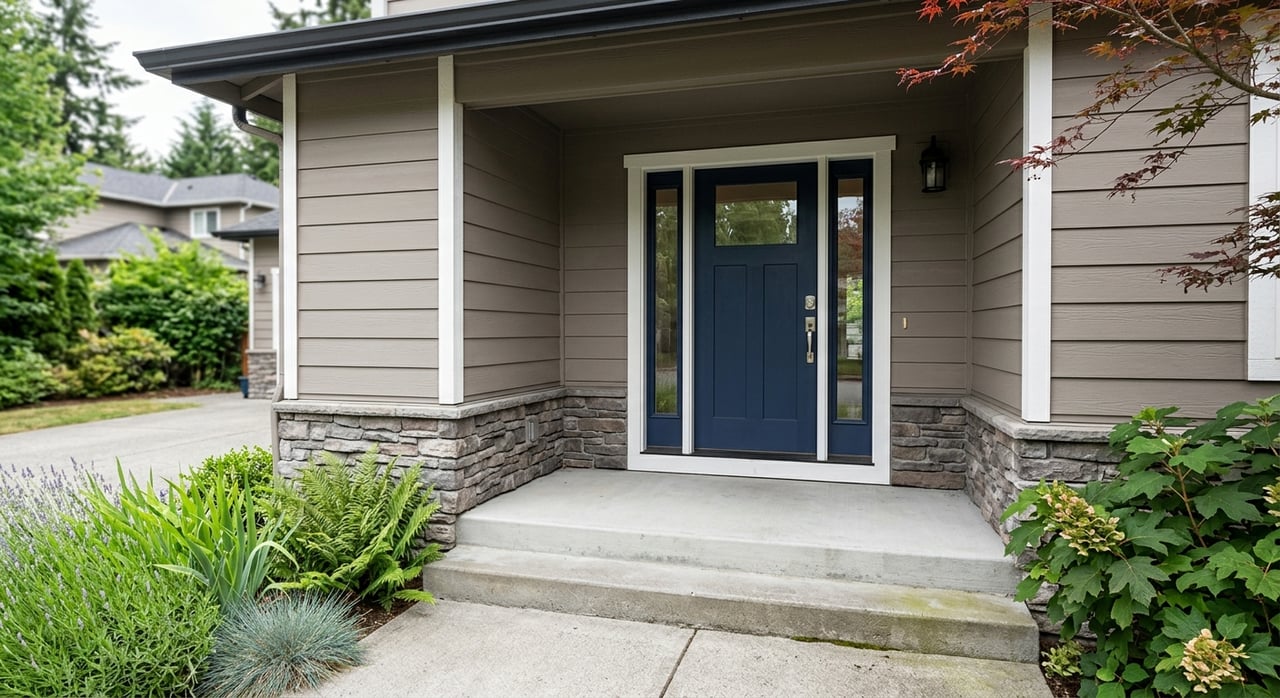
What To Expect When You Sell A Home In Santa Clara
June 11, 2026
June 11, 2026
Selling a home in Santa Clara can feel like a lot to manage at once. You want a strong price, a smooth timeline, and fewer surprises once your home hits the market. The good news is that with the right preparation, a realistic pricing plan, and clear paperwork, you can move through the process with more confidence. Let’s dive in.
If you are selling in Santa Clara, it helps to know that your home does not exist in a vacuum. Santa Clara is part of Eugene’s River Road–Santa Clara planning area, adopted by the City of Eugene and Lane County in April 2024. That means zoning, parcel details, and nearby neighborhood comparables can have a big impact on how your home is priced and marketed.
Current Lane County data gives useful context, but it should not be your only guide. As of April 2026, Lane County had a median listing price of $507,450, a median sold price of $450,000, and median days on market of 47. The nearby River Road area was at $422,500, while Eugene was at $542,500, which is why Santa Clara sellers should look closely at neighborhood-specific comps rather than broad county averages.
That market picture points to an important takeaway. Homes can still attract strong interest, and buyers are paying close to asking price on average, but overpricing is not risk-free. A smart launch depends on reading the local data carefully and matching your price to what buyers are actually seeing nearby.
A smooth sale often starts before your home is officially listed. In Oregon, sellers and listing agents are expected to keep a complete file that includes items like the listing agreement, title information, tax records, zoning or flood information, and HOA documents if they apply. Getting these materials together early can save time and reduce stress later.
For many homeowners, the prep phase also means deciding what to fix, what to disclose, and what to document. If your home is older, has had major updates, or sits on a larger or more unique parcel, that paper trail matters even more. Prior permits, inspection reports, and utility-related records can answer buyer questions before they become obstacles.
A practical planning window is often several months for larger repairs or cleanup projects, followed by about 2 to 6 weeks of active pre-list preparation once you decide to sell. That is not a legal deadline, but it is a helpful planning estimate. If you want your sale to feel organized instead of rushed, this step is worth your time.
Before your home goes live, it helps to collect the records buyers commonly ask about. Depending on the property, this may include:
Having these ready does two things. First, it helps your listing launch with fewer delays. Second, it shows buyers that the home has been prepared thoughtfully and transparently.
Not every home needs a major overhaul before listing. In many cases, the best approach is to focus on repairs that improve condition, reduce buyer concerns, and support your asking price.
You should also expect that buyers may order inspections after going under contract. Oregon REALTORS notes that professional inspections are common, and lenders may also require pest, dry rot, or repair-related conditions. Taking care of known issues early can help you avoid more urgent negotiations later.
One of the most important parts of selling in Oregon is the seller’s property disclosure statement. This disclosure is based on your actual knowledge of the property and is not a warranty. In other words, you are not guaranteeing perfection, but you are expected to disclose what you know.
For covered residential sales, buyers generally have five days from delivery of the disclosure statement to revoke their offer unless they waive that right. That makes timing and accuracy important. A complete, careful disclosure can help reduce confusion once you are under contract.
Some Santa Clara properties will need more documentation than others. If your home has special features, age-related issues, or non-standard utilities, expect extra steps.
Here are some common examples:
These details do not have to derail your sale. They just need to be addressed early so your listing enters the market with fewer unknowns.
Pricing is one of the biggest decisions you will make, and in Santa Clara, local context matters. County-level numbers are useful, but they cannot replace true neighborhood comparables, parcel details, and the condition of your specific home.
That is especially true in an area shaped by the River Road–Santa Clara planning context. A home near one part of Santa Clara may compete with a different set of listings than a home just a few streets away. That is why pricing should be built from nearby sales, active competition, and current buyer behavior, not just a broad county median.
With county homes averaging about 47 days on market and selling close to asking price on average, the market still supports well-positioned listings. But it does not leave much room for guesswork. If you start too high, you may lose momentum during the most important early days of your listing.
Once your price and paperwork are in place, the listing moves into launch mode. In Oregon, agents are expected to handle written communications promptly and keep the listing file documented carefully. That means a strong launch is not just about photos and sign placement. It is also about timing, communication, and organization.
Your listing launch may include MLS input, delivery of disclosures, showing instructions, and offer coordination. This is where details matter. If a buyer asks for records, submits a notice, or wants clarification about the property, quick and accurate responses can keep interest moving in the right direction.
For sellers, this stage often feels busy but manageable when there is a clear plan. You should expect showings, buyer questions, and the possibility of early feedback on price or condition. A steady launch helps you adjust quickly if needed without losing confidence.
After your home hits the market, the next phase is usually access and evaluation. Buyers may tour the home, compare it to nearby options, and decide whether to write an offer based on both emotion and facts. That means presentation still matters, but so does how well your home stands up to inspection.
In Oregon, inspections are a common part of the transaction. Buyers may terminate under inspection contingencies, and lenders sometimes require repairs or additional inspections. If issues come up, sellers often negotiate repairs or credits instead of scrambling to complete major work at the last minute.
This is one reason pre-list prep matters so much. If you already understand your home’s condition and paperwork, you are in a better position to respond calmly and make practical decisions.
Once you accept an offer, the sale moves into underwriting, title, escrow, inspection follow-up, and insurance review. At this point, the transaction becomes deadline-driven. Keeping paperwork moving and responding quickly to requests can help prevent delays.
Buyers must receive the Closing Disclosure at least three business days before closing. If a material term changes, the closing date can shift. While that requirement is directed at the buyer’s side of the lending process, it still affects your timeline as a seller.
You should also be prepared for negotiations after acceptance. If the appraisal comes in low, some agreements allow the buyer to renegotiate or cancel. If inspection issues come up, you may be asked for repairs, credits, or additional documentation.
During escrow, sellers often need to:
This stage is where steady communication really pays off. Small delays can push a closing back, especially when lender timelines and document reviews are involved.
Closing is the final stretch, but there are still a few moving parts. Depending on the transaction, closing may involve the lender, title company, escrow company, and your real estate agent. Once everything is signed and funded, the deed is recorded with Lane County Deeds & Records.
Lane County notes that recording fees depend on the document type and page count. The county also states that card payments incur a 3% fee. If a parcel or tax detail needs verification during closing, the Lane County assessment and taxation office is the place to confirm that information.
From a planning standpoint, many Santa Clara sellers can think in phases. You may spend several months on optional improvements and record gathering, around 2 to 6 weeks on active prep, about 47 days on market based on current county data, and then a lender and title-driven closing period after acceptance. Your exact timeline may differ, but that framework can help you prepare.
When you sell a home in Santa Clara, you need more than a sign in the yard. You need neighborhood-aware pricing, organized preparation, responsive communication, and a marketing plan that helps your home stand out. That is especially true in a market where buyers are still active, but not rushing past every pricing mistake.
Parker Heights Realty is built around hands-on service and strong local marketing. That includes professional listing presentation and personal guidance from prep through closing, so you can make informed decisions at each step. If you want a sale that feels clear, strategic, and well managed, that kind of support can make a real difference.
If you are thinking about selling in Santa Clara and want a local, straightforward plan, reach out to Amanda Parker to schedule a free consultation and home valuation.
Stay up to date on the latest real estate trends.
We pride ourselves in providing personalized solutions that bring our clients closer to their dream properties and enhance their long-term wealth. Contact us today to find out how we can be of assistance to you!