
River Road's Median Home Price Isn't One Number. It's Three, and They Disagree.
September 10, 2026
September 10, 2026
Say you're pricing a house to list on River Road, or trying to figure out what you can actually offer on one. You pull up a couple of sites to get a read on the market, the way most people do before they ever call an agent. One tells you the median just dropped. Another tells you it's up 3 percent. A third splits the difference and says it barely moved at all. All three are describing the same neighborhood, in the same year, and none of them are lying to you.
Here's what the numbers actually say. In April 2026, one widely used home-value tracker put River Road's median list price at $446,000, or $264 a square foot, down 5 percent in price-per-square-foot terms from the same month a year earlier, with homes moving in a median of 30 days, six percent faster than the year before. A second tracker, measuring closed sales over the trailing twelve months through roughly mid-2026 rather than a single month, put the median sale price at $427,500, up 3 percent from the prior twelve-month stretch, with a typical 40 days on market. A third, using its own May 2026 snapshot of closed sales, landed at $436,803, up four tenths of a percent year over year.
Three numbers, three time windows, three different directions. If you're trying to decide whether River Road is heating up or cooling off, the honest answer is that the question is broken before you ask it.
Part of this is simple methodology. One figure tracks what sellers are asking. The other two track what buyers actually paid. One is a single month's snapshot. The others average across a full year. Any two of these can point opposite directions in the same market without anything being wrong.
But the bigger issue is volume. River Road isn't a high-transaction corridor like Fairmount or the Amazon neighborhood, where hundreds of sales a month smooth out the noise. It's a modest-volume market, and in a market like that, a median is fragile. Sell three riverside cottages and two manufactured homes on owned land in the same month, and the median jumps around based on which five houses happened to close, not on anything happening to values generally. A single high-end remodel near the water or a cluster of starter homes closing together can shift the reported number by tens of thousands of dollars without the underlying market moving at all.
That's not a flaw in any one site's math. It's what happens when you try to compress a genuinely mixed neighborhood into a single line.
River Road runs along the Willamette River on one side and the Northwest Expressway on the other, and what sits between those two boundaries isn't one housing product. It's several, layered on top of each other and sold under the same neighborhood label.
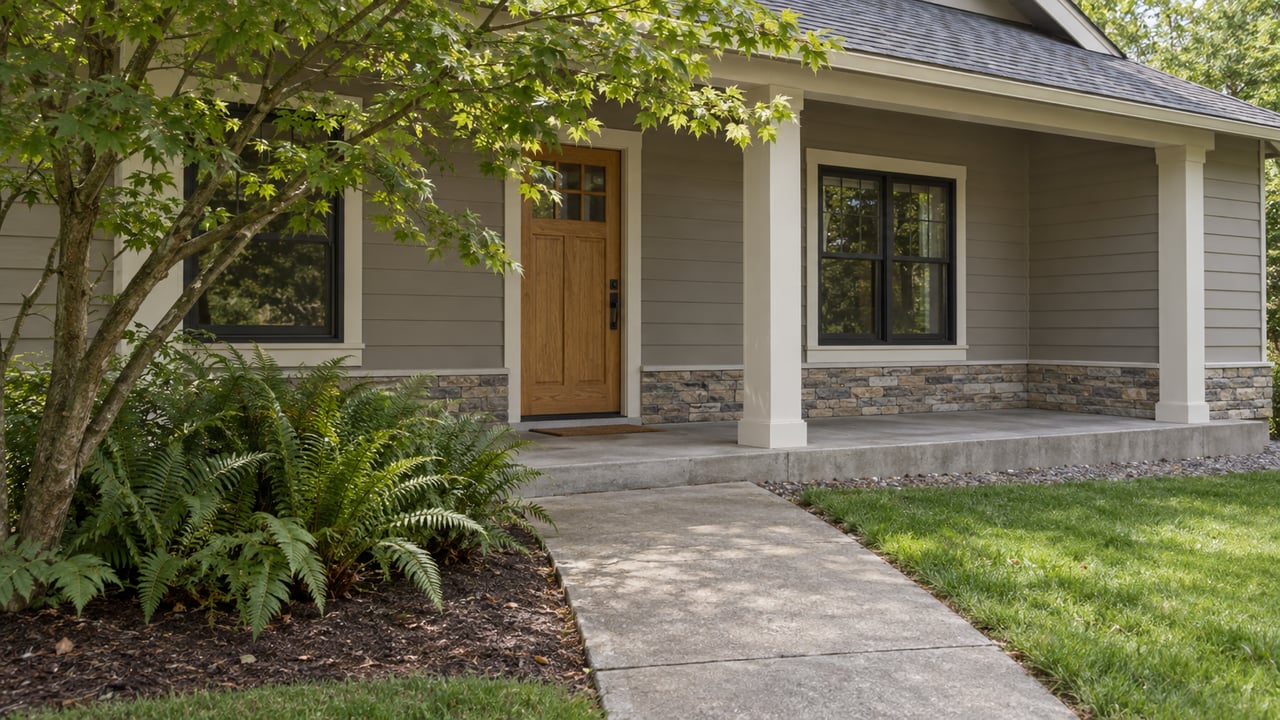
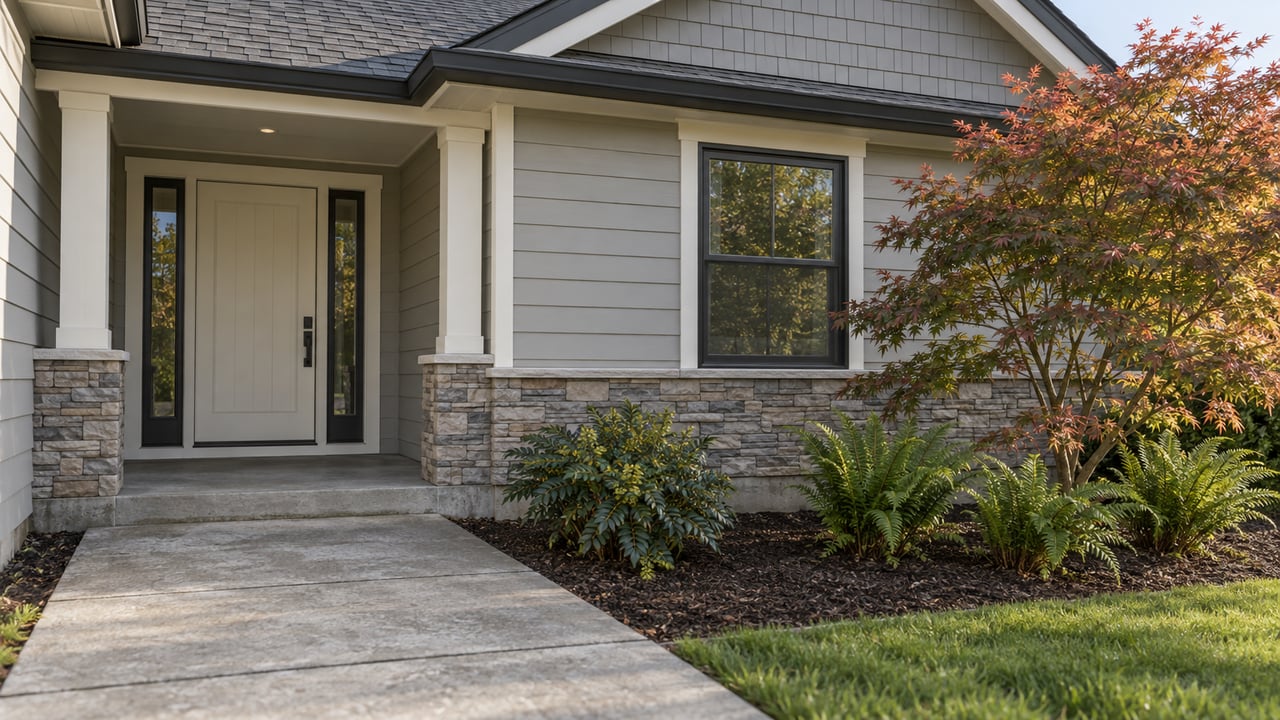
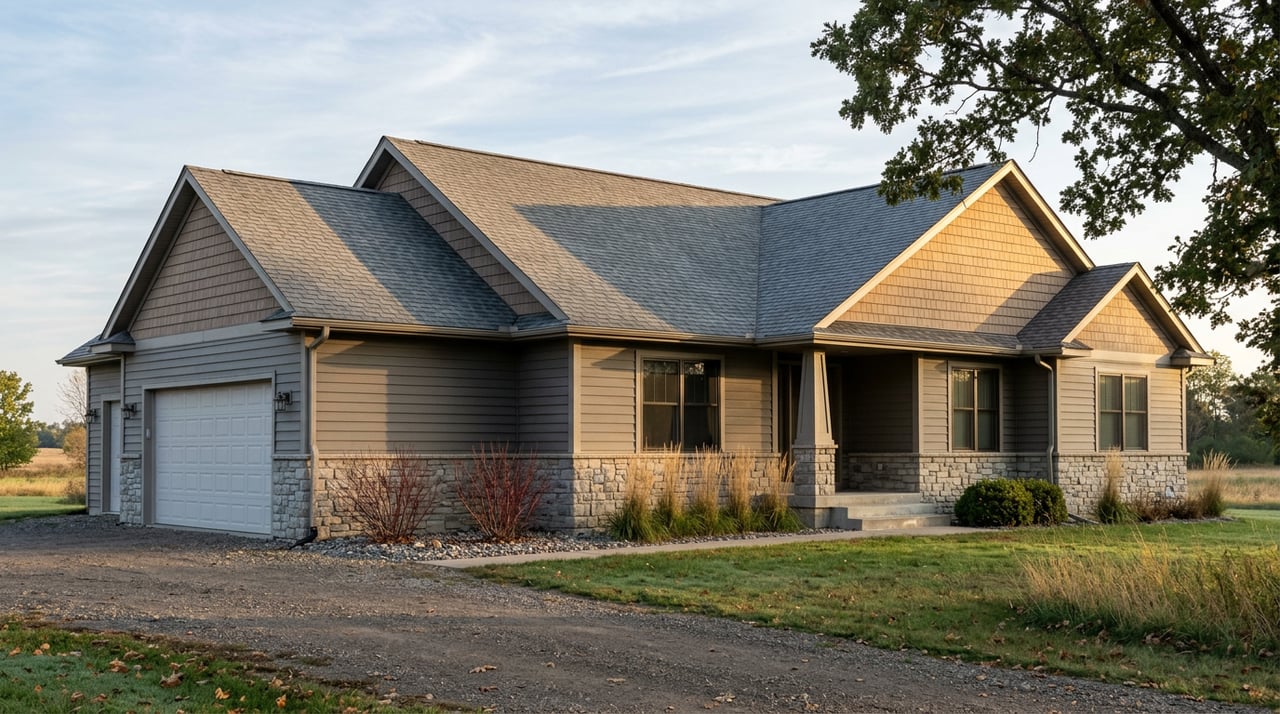
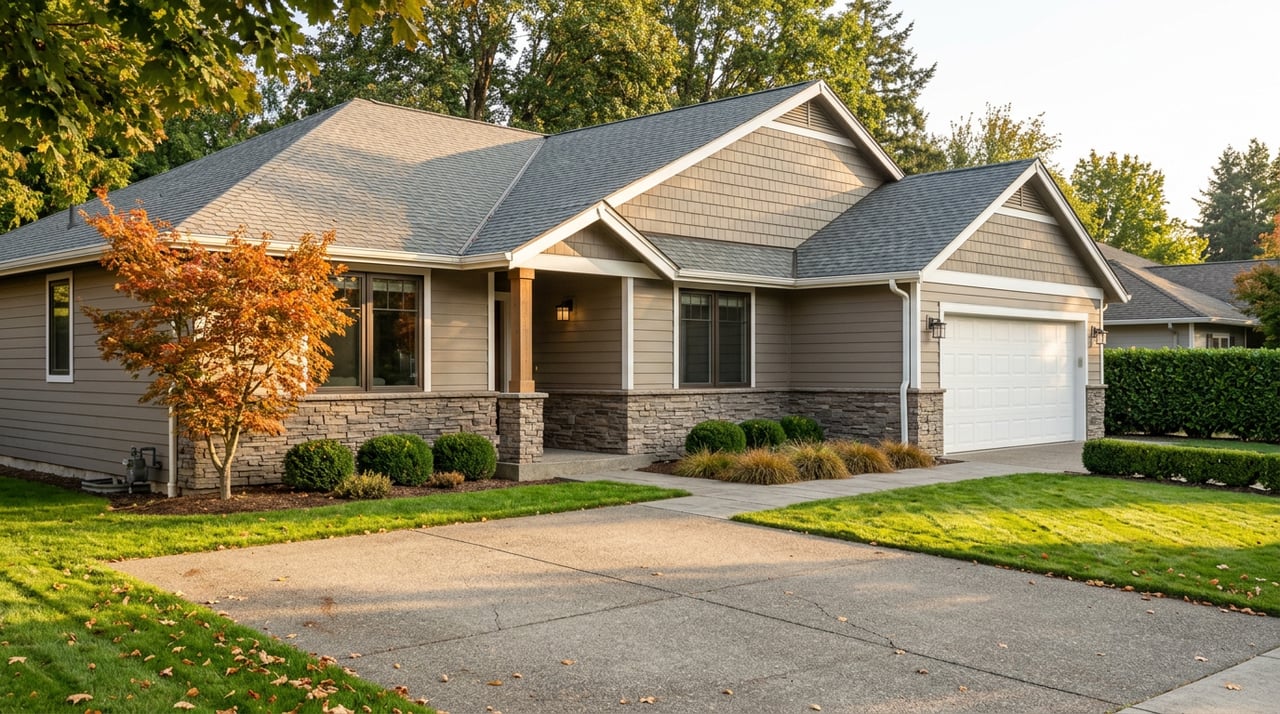
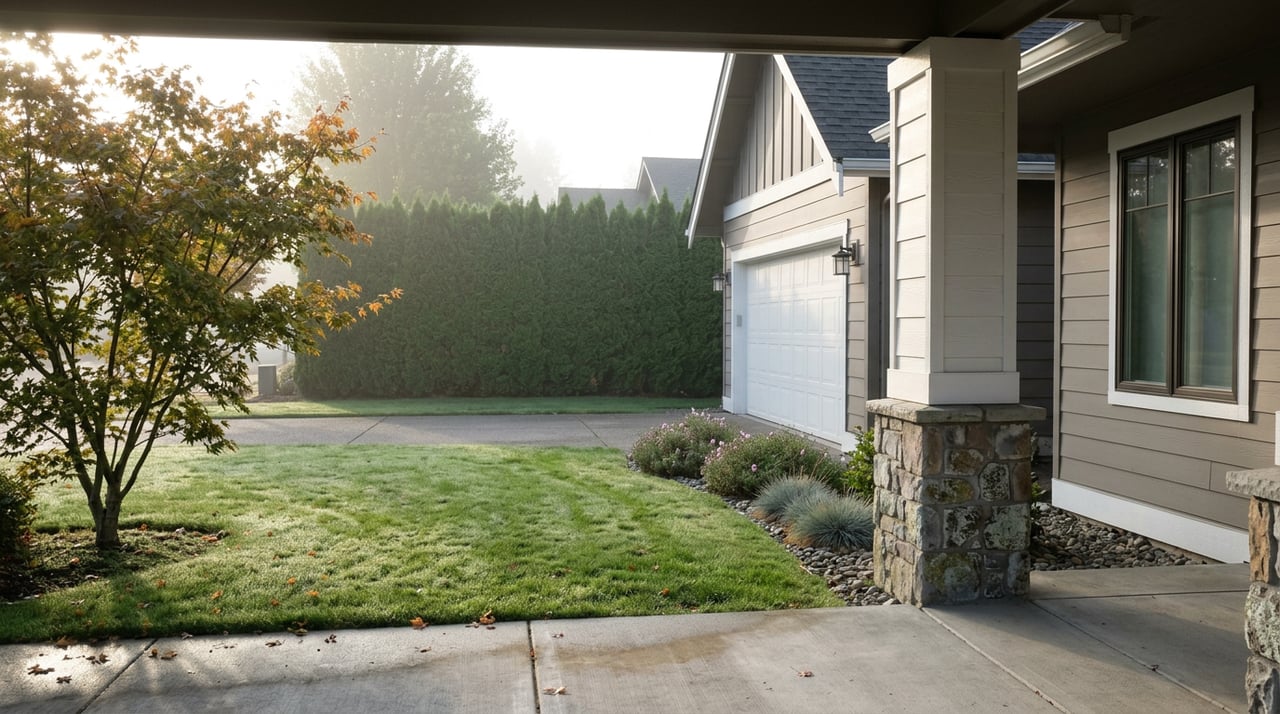
Close to the water, you'll find older farmhouses and Tudor Revival cottages, some over a century old, with claw-foot tubs and original woodwork still intact. A block or two inland, mid-century ranch homes dominate, often on larger lots with mature landscaping, the kind of housing stock that shaped River Road's identity for decades. Scattered through the corridor are manufactured homes sitting on land the owner holds outright, no HOA involved, a completely different ownership and financing structure than a site-built home even when the square footage looks similar on paper. And along the newer edges near the Expressway, you'll find planned-community construction with three and four bedrooms built to a more modern spec.
Four distinct products. Four different buyer pools. Four different financing paths, since a manufactured home on owned land often qualifies for different loan products than a stick-built ranch house next door. When a portal reports "the River Road median," it's averaging all four together, which is a little like reporting the average price of a vehicle in a parking lot that contains a used sedan, a pickup truck, a motorcycle, and a camper van. The number is real. It just doesn't describe any single thing you'd actually buy.
The median isn't wrong. It's just not answering the question you're actually asking, which is "what does a house like the one I want cost around here."
If you've ever tried to shortcut this by searching by zip code instead of neighborhood name, it doesn't help. River Road shares its zip code, 97404, with Santa Clara, a neighboring area just to the north with its own distinct mix of housing stock and its own price trajectory. Some trackers report at the zip level rather than the neighborhood level, which means a River Road search and a Santa Clara search can pull from the same blended pool of data without telling you so.
That's another layer of the same problem stacked on top of the first one. Neighborhood-level medians blend four housing types into one number. Zip-level medians blend two neighborhoods into one number. By the time a figure reaches a search result, it may have been averaged twice before you ever see it.
None of this means the data is useless. It means the neighborhood-wide median is the wrong tool for the job, and a sharper one exists if you know where to look.
If you're buying, the useful comparison isn't "River Road homes" as a category. It's homes of the same type, in the same few blocks, that closed in the last few months. A riverside cottage should be priced against other riverside cottages, not against a manufactured home three streets over that happens to share a zip code. A ranch home on a quarter acre needs ranch-home comps, not an average that includes new construction near the Expressway.
If you're selling, the same logic runs in reverse. Your competition isn't every listing tagged "River Road." It's the three or four other homes of your specific type and price point that a buyer touring your house that weekend is also likely to tour. Pricing off the blended median risks either underpricing a well-kept cottage that deserves cottage-market comps, or overpricing a manufactured home against ranch-house numbers it was never going to compete with.
The days-on-market figures back this up too. A 30-day median in one dataset and a 40-day median in another aren't necessarily contradictory. They may simply be capturing different segments of the same market moving at different speeds, with certain housing types clearing faster than others.
River Road isn't confusing because the data is bad. It's confusing because it's genuinely one of the more mixed corridors in Eugene, and a single median was never built to describe a neighborhood like that. The fix isn't finding a fourth site with a fourth number. It's pulling comps by housing type and block instead of by neighborhood name, which is exactly the kind of read a national portal isn't set up to give you.
If you're trying to make sense of what a specific River Road property is actually worth, or you want comps pulled for your housing type rather than the neighborhood average, Amanda Parker can walk through the real numbers for your block. Schedule a free consultation and home valuation and get a read on the market that isn't averaged into meaninglessness before it reaches you.
Stay up to date on the latest real estate trends.


We pride ourselves in providing personalized solutions that bring our clients closer to their dream properties and enhance their long-term wealth. Contact us today to find out how we can be of assistance to you!