Buying Near Fern Ridge Reservoir: A Veneta Homebuyer Guide
February 12, 2026
February 12, 2026
Picture your morning starting with calm water views, a cup of coffee, and the option to launch a kayak five minutes from your doorstep. If you are drawn to that lifestyle, buying near Fern Ridge Reservoir in Veneta can be a great fit. You want the fun and the views, but you also want to avoid surprises with utilities, permits, and seasonal changes. This guide walks you through what to look for, what to verify, and how to choose a property that fits your daily life and long-term plans. Let’s dive in.
Fern Ridge Reservoir is a major outdoor hub on Veneta’s doorstep. You get easy access to boating and fishing, plus seasonal wind that can be ideal for windsurfing and kitesurfing. The surrounding wetlands and the Fern Ridge Wildlife Area also make it a standout spot for birdwatching. Late spring through early fall is the busiest season, while fall and winter offer a quieter feel and peak wildlife viewing.
Living near the reservoir blends small-town convenience with open space and water views. That mix supports a range of lifestyles, from weekend anglers to full-time residents who value nature close by. The key is matching the right property type and location to how you plan to use it.
Homes around Fern Ridge range from true waterfront to near-lake acreage. The supply of private waterfront is limited, so it often carries a premium. Nearby rural properties can offer space, outbuildings, and easier ownership costs.
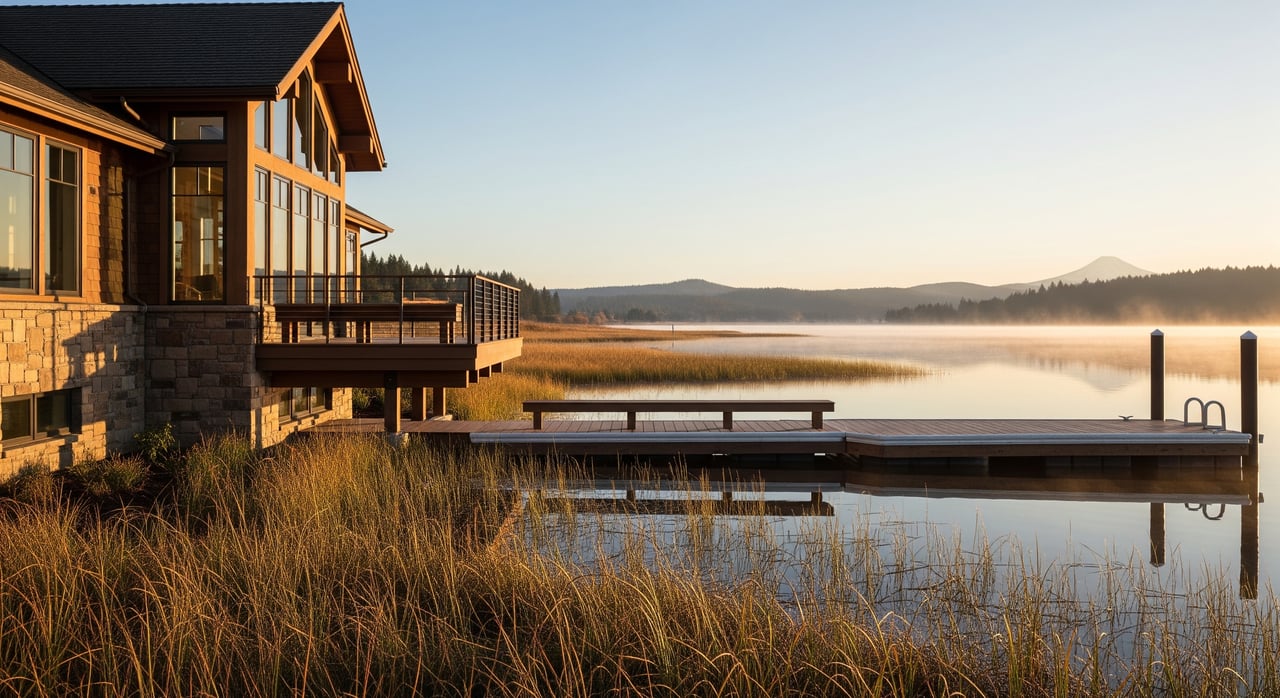
Some parcels have direct frontage and, in limited cases, private dock access. These properties are prized for views and convenience to the water. Expect more rules around shoreline use and improvements, and confirm whether any existing dock or pier is permitted and compliant.
Acreage and larger lots are common just beyond the shoreline. Many include room for gardens, hobbies, or small outbuildings. These settings can feel quieter than launch-area hotspots, while still keeping you close to recreation.
You will find manufactured homes and modest stick-built houses in older subdivisions and rural neighborhoods. These can be good entry points to the area. Check foundation type, utility setup, and age of systems to plan for maintenance.
Some properties started as vacation homes and were later adapted for year-round living. Confirm insulation, heating, and road access for winter months. Year-round comfort can hinge on simple upgrades like updated windows and reliable service access.
Utility setups vary a lot around the reservoir. Inside Veneta city limits, municipal water and sewer are more common. Outside city limits, private wells and on-site septic systems are typical. Always verify well yield and water quality, along with the age, permitting, and condition of the septic system through the proper county channels.
Road access also matters. Paved streets are common closer to town, while gravel and private roads appear more in rural tracts. Ask about who maintains the road, whether there is a shared agreement, and how winter weather affects access. Trash collection, delivery routes, and emergency access are practical details to confirm early.
Reservoir edges can bring special rules. Some low-lying parcels fall within floodplain zones, and others have seasonal saturation or wetlands. Review current flood maps and consider an elevation certificate if needed. Even if a home is outside a high-risk zone, your lender may still require flood insurance.
Shoreline work is often regulated. Riparian setbacks, conservation easements, and shoreline restrictions can apply, especially where lands are managed by public agencies. Dock construction or modification may need permits from multiple authorities. If you are buying a home with an older bulkhead or natural bank, budget for a shoreline inspection and ask about any erosion history.
Shallow reservoirs can see algae growth during warm, stagnant periods. Local health and environmental agencies issue harmful algal bloom advisories when needed. If you plan to swim, paddle, or fish, make a habit of checking current advisories before you go.
You will likely enjoy excellent birdwatching near wetlands and open water. At the same time, weekends and holidays see more boat traffic and activity near public launch sites. If you want a quiet setting in summer, consider a location set back from ramps and popular parks.
Marshy edges and standing water can increase mosquito pressure at certain times. Simple steps like proper landscaping, standing-water control, and screens make a difference. Ask neighbors about local patterns to set expectations.
Flood risk is parcel specific. A property can be near water and still be elevated above key flood thresholds, while another a short distance away may require flood coverage. Get a flood determination early and gather quotes from insurers who understand reservoir-adjacent homes. Confirm wind and water damage coverage details, and factor premiums into your monthly budget.
Septic and well risks deserve attention too. A failed drainfield or insufficient well yield can be costly. Build inspections and water testing into your offer timeline so you can negotiate repairs or plan upgrades before closing.
The reservoir market also moves with broader Lane County trends, and micro-markets can diverge. Waterfront may behave differently than in-town Veneta neighborhoods, so look closely at relevant comps before you set expectations.
Before you write an offer, line up the right questions and pros. Use this checklist to stay organized:
Water recreation can create strong seasonal demand for short-term rentals. That said, rules differ by jurisdiction, neighborhood covenants, and zoning. If rental income is part of your plan, verify current city and county codes, plus any HOA restrictions, before you rely on future bookings. Larger parcels near Veneta may also have agricultural or resource zoning that affects development options.
Start with a clear picture of how you want to use the property: full-time living, weekend basecamp, or a blend with occasional rental. From there, narrow your search by utility setup, shoreline rules, and access to the activities you care about. Line up inspections and insurance quotes early so you can make a confident offer when the right home appears.
If you want a local, hands-on guide who knows reservoir, acreage, and small-town properties, connect with Amanda Parker for a friendly strategy call. We will map your wish list to the right Veneta micro-markets, flag red flags before they become problems, and help you close with clarity.
Stay up to date on the latest real estate trends.
We pride ourselves in providing personalized solutions that bring our clients closer to their dream properties and enhance their long-term wealth. Contact us today to find out how we can be of assistance to you!