Junction City vs Eugene Living: Find Your Best Fit
February 5, 2026
February 5, 2026
Torn between more space and a slower pace or being closer to jobs, hospitals, and a bigger arts scene? Choosing where to plant roots shapes your daily routine, budget, and weekend plans just as much as the house you buy. In this guide, you’ll get a side-by-side look at Junction City and Eugene, from commute realities and housing to schools, amenities, and community feel, plus a practical checklist to make your choice easier. Let’s dive in.
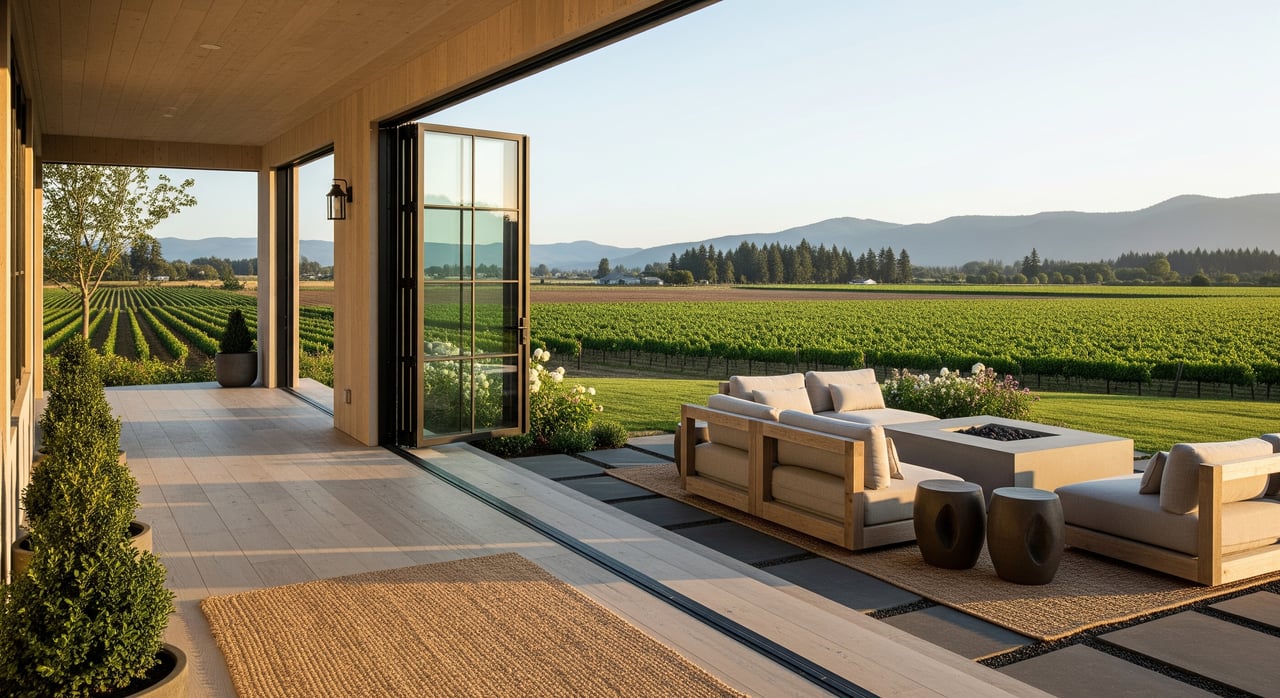
Junction City offers a small-town rhythm with local events and more room to spread out. You’ll typically find larger lots, quieter nights, and a close-knit community feel. Many residents work, shop, or see specialists in Eugene and enjoy coming home to a calmer setting.
Eugene is the region’s hub for employment, higher education, healthcare, and culture. It offers a wider mix of housing types, more dining and retail choices, and more options for childcare, extracurriculars, and public services. You trade some space for proximity and convenience.
Driving is the primary way people get around in Lane County. From Junction City to central Eugene, the drive is commonly in the 20 to 35 minute range depending on where you start and end and the time of day. Many Junction City households plan around morning and evening traffic windows.
Lane Transit District operates regional bus service between the two communities, though frequency is lower than routes within Eugene. Inside Eugene, biking and carpooling are more common and the cycling network is more extensive than in Junction City. If you plan to commute, test your route at your usual travel times before you decide.
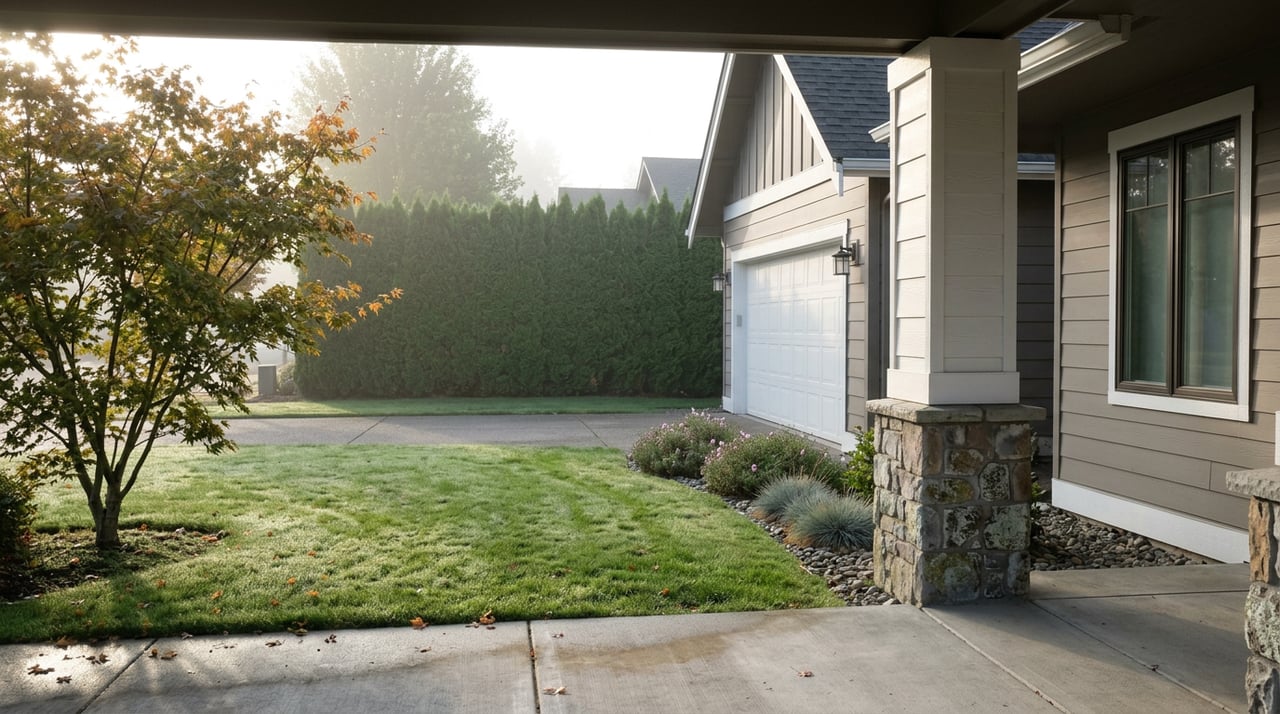
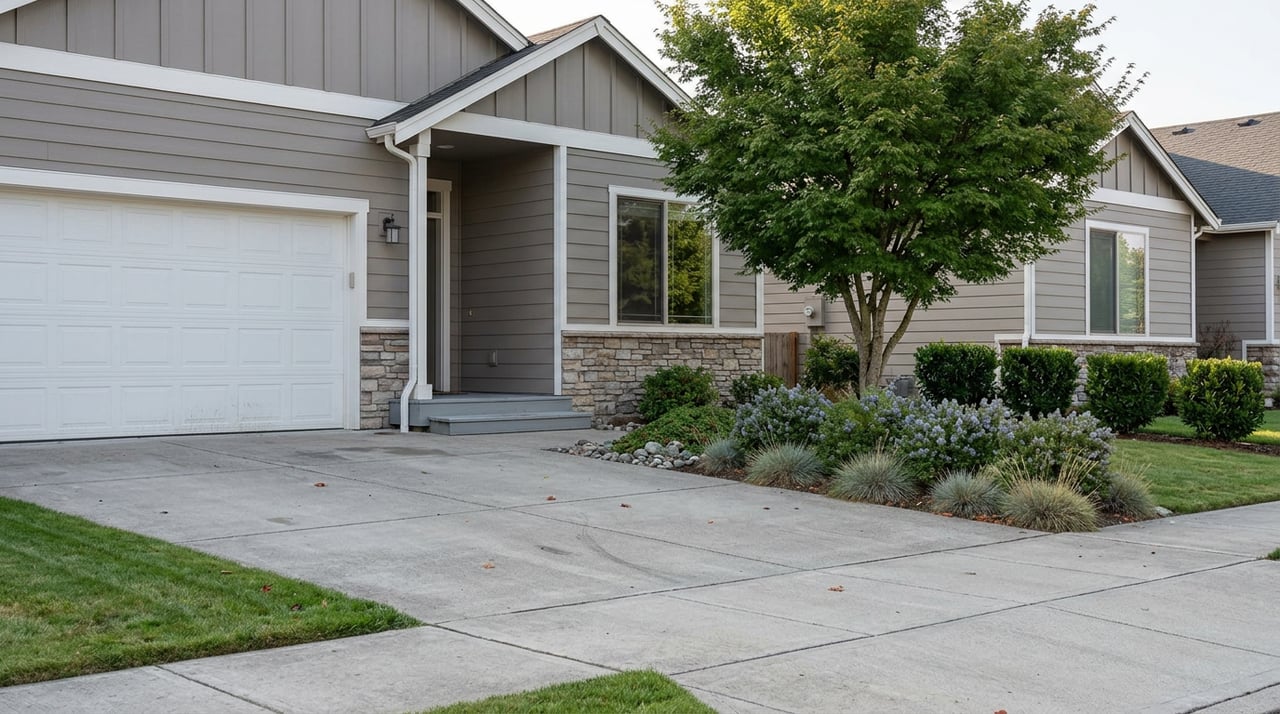
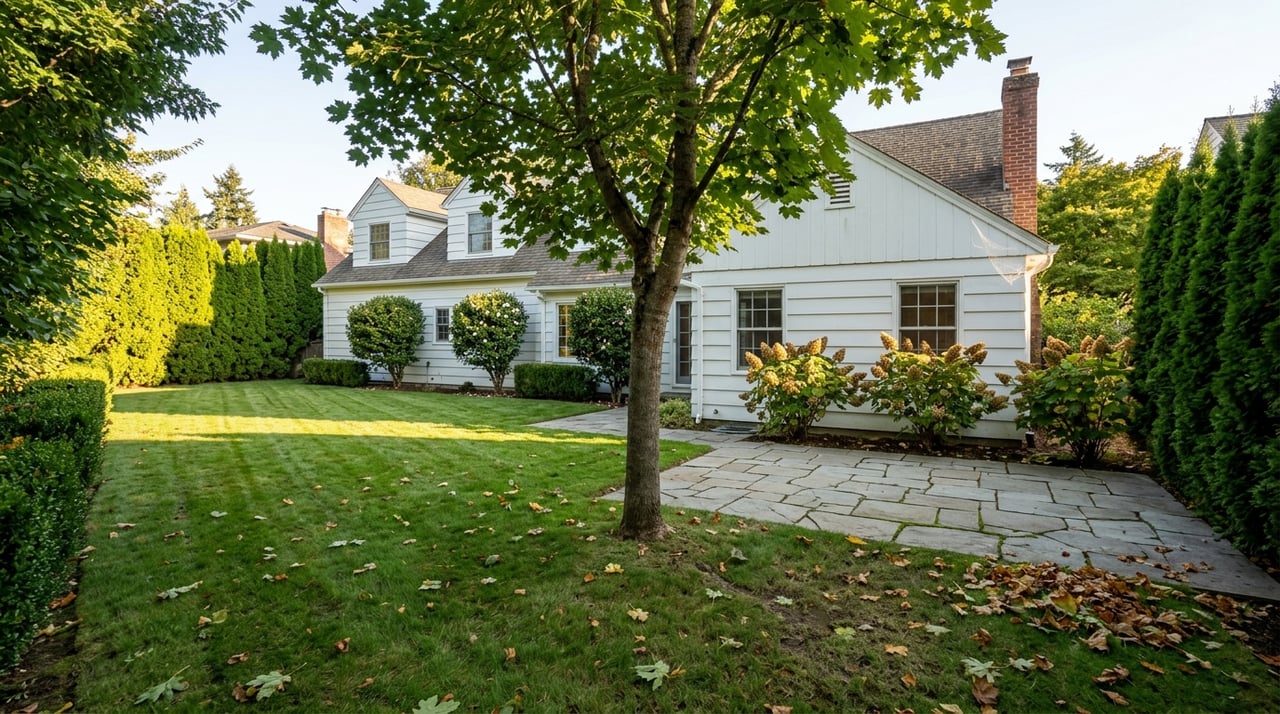
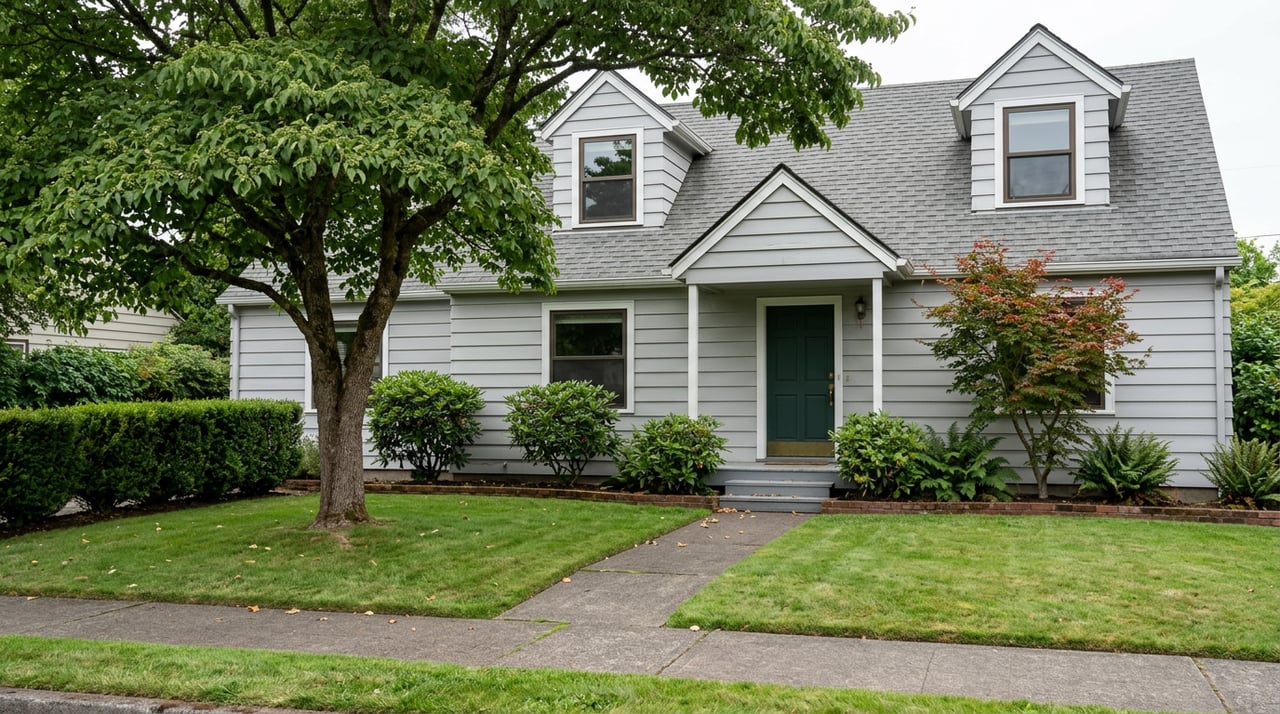
Junction City’s housing leans toward single-family homes, often on larger lots. You’ll see older post-war houses, some newer subdivisions, manufactured homes, and occasional small multifamily buildings. Nearby rural properties and small hobby farms are more common options outside the city limits.
Eugene offers a broader mix: single-family neighborhoods, duplexes and townhomes, apartments and condos, plus student-focused housing near the University of Oregon. Infill and multifamily development are more typical around the city core and along corridors.
A general pattern holds: Junction City usually offers more square footage and land per dollar. Eugene’s proximity to major employers and amenities, along with strong rental demand, tends to push prices per square foot higher in many neighborhoods. Rental competition in Eugene is often stronger, especially near the university and medical employers.
Junction City has local grocery stores, eateries, hardware, banks, and everyday essentials. You may visit Eugene for specialty retail and a wider restaurant scene. A signature local event in Junction City is the annual Scandinavian Festival, which adds community flavor and draws visitors.
Eugene offers broad shopping choices, bigger grocery options, more diverse dining, arts and theatre venues, and civic centers. You’ll find more options for after-school programs and extracurriculars.
Eugene is home to the region’s major hospitals, specialty medical providers, clinics, and urgent care centers. Junction City has primary care, and many residents travel to Eugene for specialist care or major procedures. Eugene’s airport (Mahlon Sweet Field) offers scheduled regional flights, while Portland’s international airport is roughly a 2 to 3 hour drive.
Childcare availability can be tight across both communities, with waitlists for high-demand providers. Eugene generally offers a wider range of childcare and extracurricular options. If childcare is a priority, begin inquiries early as part of your relocation plan.
Junction City schools operate within a smaller local district environment. Families often appreciate school size and volunteer involvement. Eugene’s larger district offers more school choice options, magnet or specialty programs, and additional private school choices. For higher education, the University of Oregon and Lane Community College are major anchors in Eugene.
School quality varies by school and can change from year to year. Verify current boundaries, programs, and performance data directly with district offices and state education reports, and visit campuses where possible.
Both places give you classic Willamette Valley access to rivers, trails, and green spaces. Eugene maintains a more developed city parks system, riverfront parks, urban trail networks like the Ridgeline trails, and organized leagues. Junction City puts you closer to rural recreation, quiet country roads for cycling, wetlands, and agricultural landscapes. Many families value the quieter night sky and open space near Junction City.
Junction City tends to feel small-town and community-centered, with local events and volunteer networks shaping the calendar. Demographics can skew older than a university city, though neighborhoods vary.
Eugene reads more urban in daily life, with a younger population presence around the university, and broader cultural amenities like theatre, music, and festivals. Like many cities, parts of Eugene have visible homelessness and expanded social services.
When it comes to safety, larger cities typically report higher rates of property and violent crime per capita than smaller towns. Conditions vary by neighborhood in both communities. Review local police department data and crime maps, and visit at different times of day to understand area patterns.
Eugene continues to see infill and multifamily development, guided by Oregon land-use laws and urban growth planning. Neighborhoods near transit corridors may evolve through redevelopment. Junction City’s growth is slower, with residential development in select areas and agricultural uses common outside city limits. Ask about planned road improvements and infrastructure projects that could affect commute times or future values.
Ready to narrow in on the right neighborhood and property type for your lifestyle and budget? As a Junction City-based boutique brokerage serving Lane County, we guide you through commute tradeoffs, lot and utility details, and local market dynamics so you can move with confidence. Reach out to Amanda Parker to compare homes and neighborhoods one-on-one and map your next steps.
Stay up to date on the latest real estate trends.


We pride ourselves in providing personalized solutions that bring our clients closer to their dream properties and enhance their long-term wealth. Contact us today to find out how we can be of assistance to you!