Buying in Veneta but worried about the down payment? You may not need one. If you’re eyeing a primary home in Veneta or the surrounding pockets of rural Lane County, the right USDA loan can open the door with little cash upfront and a straightforward path to closing. This guide breaks down how USDA loans work, what qualifies in Veneta, what to expect with costs and timelines, and the practical steps to take next.
Let’s dive in.
Why USDA fits Veneta buyers
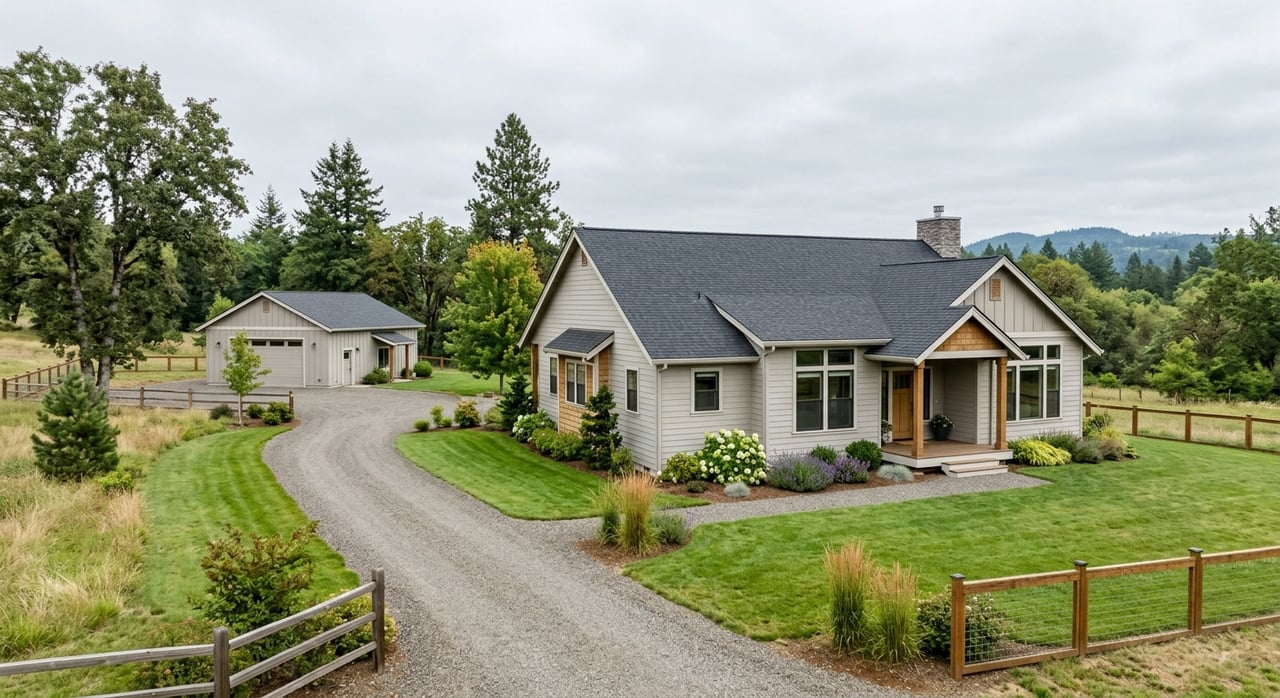
Veneta sits in a small-town setting with rural areas nearby, which often lines up with USDA’s mission to expand homeownership in rural communities. Many Veneta and unincorporated Lane County addresses are commonly eligible, though eligibility is always address-specific. If you want the flexibility of 0% down financing and a 30-year fixed rate, USDA can be a strong option to consider.
USDA offers two single-family programs that matter for local buyers:
- USDA Guaranteed Loan: Issued by approved lenders and backed by USDA Rural Development. This is the program most buyers use for typical purchases.
- USDA Direct Loan (Section 502): Funded directly by USDA and aimed at very low and low income borrowers who cannot get financing elsewhere. It can offer subsidized rates but has stricter rules and limited funds.
How the programs work
The Guaranteed program runs through banks, credit unions, and mortgage companies that work with USDA. You apply with the lender, the lender underwrites, and USDA guarantees the loan. Most loans are 30-year fixed and do not require a down payment for eligible buyers and properties.
The Direct program is a separate track. You apply through USDA Rural Development, and the agency funds the loan directly. It targets very low and low income households and has more limited availability. If you think you might qualify, a conversation with a USDA-experienced lender or the USDA Oregon State Office can help you compare options.
USDA eligibility: four boxes to check
To use a USDA loan, you must meet all of the following requirements.
Property location eligibility
The property must be in a USDA-eligible area. Veneta and much of rural Lane County often map as eligible, but the decision is made at the exact address level. Use the USDA Property Eligibility tool or ask your lender or agent to verify the address early.
Income eligibility
USDA sets income limits by county and household size to target low and moderate incomes for Guaranteed, and very low/low for Direct. Limits change periodically and vary by household count. Confirm the current Lane County limits for your household with a lender or the USDA income lookup before you go under contract.
Credit and underwriting
USDA Guaranteed loans are underwritten by approved lenders. Many lenders rely on automated systems and apply their own credit overlays. Credit score, debt-to-income ratio, employment history, and assets all factor into approval. Direct loans apply stricter standards and are designed for buyers who cannot secure other financing.
Property standards and use
USDA requires an owner-occupied home that meets Minimum Property Requirements. The home must be modest in size, not income-producing, and have adequate, safe utilities. Manufactured homes can be eligible if they meet title, foundation, and state requirements. Condos must meet USDA’s project rules, and not all projects qualify. Private wells and septic systems are acceptable if they comply with local and state health standards and pass the appraisal and MPR checks.
What qualifies in Veneta and rural Lane County
Properties on acreage, homes with private wells and septic, and residences on private roads are fairly common in rural Lane County. USDA will accept these if they meet safety and access standards, and the appraiser and any required local authorities sign off. You may need documentation for private road maintenance or ingress and egress, so get those details early.
Hazards and insurance also matter. If the property is in a mapped flood zone, flood insurance will be required. Wildfire risk can affect insurance availability and cost in parts of Oregon. A quick insurance quote check during your inspection period can save surprises later.
Costs, fees, and what to expect
- Down payment: USDA typically allows 0% down for eligible buyers and properties.
- Interest rate and term: Most Guaranteed loans are 30-year fixed. Rates are competitive with FHA and conventional.
- Guarantee fees: USDA uses guarantee fees instead of traditional PMI. There is an upfront guarantee fee and an annual fee collected monthly. Fee percentages change over time, so confirm current figures with your lender or USDA.
- Closing costs: Standard closing costs apply. USDA generally allows seller contributions toward your closing costs, subject to lender and program limits. Some costs may be financed depending on the appraisal and lender rules.
- Appraisal and repairs: The USDA appraisal checks value and Minimum Property Requirements. Health and safety items or utility issues may trigger repairs that must be completed before closing or escrowed per lender and USDA policy.
- Lender overlays: Because private lenders originate Guaranteed loans, they may set additional requirements such as higher minimum credit scores. Compare quotes and requirements across a few USDA-experienced lenders.
Your step-by-step path to closing
- Pre-qualification or pre-approval
- Talk with a USDA-experienced lender about your income, credit, and budget. Get a pre-approval letter so you can write a strong offer.
- Verify property eligibility
- Use the USDA Property Eligibility map to confirm a specific address, or ask your lender or agent to check. Do this before you invest in inspections.
- Complete your application
- Submit your loan application and documents: ID, Social Security number, recent pay stubs, W-2s or tax returns, bank statements, and any letters of explanation your lender requests.
- Processing and underwriting
- The lender reviews income, assets, and debts. Automated underwriting is common. Be ready to provide quick updates or extra documents.
- Appraisal and MPR review
- The appraiser confirms value and checks Minimum Property Requirements. If repairs are required, coordinate with your agent to negotiate and schedule them.
- Final approval and closing
- Once conditions are met, you sign final disclosures and closing docs. Typical timelines are similar to other mortgages, often 30 to 45 days from application to closing when items are straightforward.
A quick buyer checklist
- Get pre-approved with a USDA-experienced lender.
- Confirm the exact address is USDA-eligible.
- Gather documents: ID, pay stubs, W-2s or tax returns, bank statements, and any needed letters.
- Budget for closing costs and confirm seller contribution options.
- Plan for the appraisal and potential MPR repairs.
- If on well/septic, schedule required inspections and coordinate with Lane County Environmental Health as needed.
- Check insurance early if the home is in a floodplain or a higher wildfire risk area.
Veneta and Lane County nuances to know
- Mapping can change near urban edges: Homes closer to Eugene or Springfield may map differently than addresses deeper into rural Lane County. Always verify the exact address.
- Private road or gated access: Be prepared to provide maintenance agreements or access documentation if needed.
- Wells and septic: These are common and acceptable if they meet standards. Build time into your inspection period for any required tests or repairs.
- Local resources: The USDA Rural Development Oregon State Office can answer program questions. Lane County offices can help with property records and environmental health requirements. A local lender and agent experienced with USDA can keep your file moving on schedule.
USDA vs FHA vs conventional
USDA vs FHA
- Down payment: USDA often wins with 0% down. FHA requires a minimum down payment.
- Fees: FHA uses mortgage insurance premiums, while USDA uses guarantee fees. The better overall cost depends on current rates, your credit, and your expected time in the home.
- Property rules: USDA restricts purchases to eligible areas and has MPRs. FHA is widely available across locations with its own property rules.
USDA vs conventional
- Down payment: Conventional options often start around 3 percent down or more. USDA can reduce upfront cash needs if you qualify.
- Monthly cost: Conventional private mortgage insurance can be cheaper or more flexible depending on your credit and down payment. USDA’s guarantee fees are structured differently.
- Strategy: If you have funds for a larger down payment and want to avoid guarantee fees, compare conventional. If keeping cash on hand matters most and the address qualifies, USDA can be compelling.
Smart next steps in Veneta
- Confirm your eligibility: Review your household income against Lane County limits and talk with a USDA-experienced lender about credit and debt ratios.
- Target eligible properties: As you browse Veneta and nearby rural areas, verify each address on the USDA map before writing an offer.
- Plan for rural details: If the property has a well, septic, or private road, line up inspections and documents early to avoid closing delays.
- Compare loan quotes: Fees and lender overlays vary. Ask for a side-by-side estimate showing rate, guarantee fees, closing costs, and monthly payment.
Ready to explore USDA-qualified homes around Veneta with local guidance from offer to close? Reach out to Amanda Parker for a friendly, no-pressure consult and a lender introduction tailored to your situation.
FAQs
Is Veneta eligible for USDA loans?
- Possibly. USDA eligibility is address-specific. Many Veneta and surrounding rural Lane County addresses are commonly eligible, but you must verify the exact property on the USDA eligibility map or with a USDA-experienced lender.
Are there income limits for USDA loans in Lane County?
- Yes. USDA sets income limits by county and household size, and they change periodically. Check current Lane County limits for your household with a lender or the USDA income lookup.
Can I buy a manufactured home in Veneta with a USDA loan?
- Yes, under specific conditions. Manufactured homes must meet title, foundation, and state requirements, and the property must pass USDA’s Minimum Property Requirements.
Do USDA loans require mortgage insurance?
- Not traditional PMI. USDA uses guarantee fees, which include an upfront fee and an annual fee paid monthly. Confirm current fee amounts with your lender.
Can sellers pay my closing costs with a USDA loan?
- Generally yes. Seller contributions are usually allowed within program and lender limits, so ask your lender to detail caps and acceptable items.
How long does a USDA loan take to close?
- Timelines are often similar to other mortgages, typically about 30 to 45 days when documentation and property eligibility are straightforward. Repairs or mapping issues can add time.